Anagen Hair Restoration

Categories
NeoGraft Hair Transplant

Is Baldness Inherited?

One of the most common concerns about hair loss is whether it is genetically inherited. Hair shedding can be distressing, especially when you notice it on your pillow, in the shower drain, or on your clothes. For many people—particularly men—baldness is a major aesthetic concern.

Many patients visit our clinic seeking to understand their hair health and prevent hair loss before it progresses. From scalp hair to beards and eyebrows, hair loss can affect various parts of the body.

So, is baldness truly genetic, and does it pass from generation to generation? Let’s explore this common question and debunk some myths surrounding hereditary hair loss.

The Genetic Link to Hair Loss

While genetics play a significant role in hair loss, they are not the only factor. Other contributors to baldness include:

✔ Vitamin B deficiency

 ✔ Hormonal changes

✔ Aggressive medical treatments (such as chemotherapy or radiation therapy)

✔ Environmental factors and lifestyle habits

Scientific advancements have shown that genetic baldness does not always follow a strict hereditary pattern, especially when inherited through the maternal lineage. However, if you have a family history of hair loss, your likelihood of experiencing it increases significantly.

Androgenetic Alopecia: The Most Common Type of Genetic Hair Loss

Androgenetic alopecia, also known as male and female pattern baldness, is the most common form of genetic hair loss. This type of baldness results from hormonal activity affecting hair follicle sensitivity to dihydrotestosterone (DHT)—a byproduct of testosterone that weakens hair growth.

✔ Approximately 95% of bald individuals experience hair loss due to androgenetic alopecia. ✔ DHT shrinks hair follicles, gradually leading to thinner and weaker hair. ✔ This condition affects nearly 60% of men over the age of 50. ✔ Hair loss can be inherited from both maternal and paternal genes.

The AR gene, responsible for coding androgen receptors, plays a key role in the progression of androgenetic alopecia by making hair follicles more sensitive to hormonal changes.

Other Types of Hair Loss

In addition to genetic baldness, other forms of hair loss exist:

✔ Alopecia Areata – An autoimmune condition that causes hair loss in patches. About 30% of cases have a genetic link.

✔ Telogen Effluvium & Anagen Effluvium – These conditions result from stress, endocrine disorders, or external factors, rather than genetic predisposition.

Can Lost Hair Be Restored?

Yes—hair restoration is possible. If you are experiencing hair loss, early intervention is key to preventing further progression.

At Anagen Hair Restoration, we offer the most advanced hair transplant procedures and cutting-edge hair loss treatments to help you regain your confidence.

✔ Personalized hair restoration plans

✔ Innovative and minimally invasive hair transplant techniques

✔ Effective treatments for various types of alopecia

Take the First Step Toward Hair Restoration

If you’re concerned about genetic hair loss, don’t wait until it progresses further. Schedule a professional hair evaluation today!

Call us at (301) 591-6552 or email info@anagenhairrestoration.com to book your consultation.

Categories
NeoGraft Hair Transplant

Understanding the Difference Between Hair Volume and Hair Density


Many people use the terms hair volume and hair density interchangeably, but they are not the same. While both play a key role in diagnosing hair health issues and achieving a full, healthy-looking head of hair, they refer to different aspects of hair appearance and structure. Let’s break down the differences.

What Is Hair Volume?

Hair volume refers to the space that hair occupies. This can be influenced by hair type and styling techniques. For example: ✔ Teasing or backcombing can increase the appearance of volume. ✔ Curly hair naturally appears more voluminous than straight hair. ✔ Fine hair tends to look less dense because it lacks body, even if the actual number of strands is high.

A loss of volume is often linked to hair miniaturization, a key indicator of early-stage androgenetic alopecia (pattern baldness).

What Is Hair Density?

Hair density refers to the number of hair strands per square centimeter on the scalp. Hair transplantation aims to restore density by relocating follicles from a donor area (typically the occipital and lateral regions) to balding areas (such as the frontal hairline and crown).

Hair Volume vs. Hair Density: Key Differences

✔ Hair density is the actual number of hair follicles present. If density is lost due to hair thinning or balding, only a hair transplant can restore it permanently.

✔ Hair volume refers to the space occupied by hair, which can be enhanced with styling techniques or hair products.

✔ It is possible to have high-density hair but low volume, and vice versa.

✔ Hair type influences volume, while hair color affects density—blondes tend to have the highest density, followed by brunettes, while redheads typically have the lowest hair density.

How to Restore Hair Density with a Hair Transplant

A hair transplant specialist will first evaluate the donor area’s density and viability to ensure a successful procedure. To achieve optimal density, the following techniques are applied: ✔ Selecting follicular units with multiple hairs (e.g., 3-4 hairs per graft) to increase coverage. ✔ Strategic placement of grafts to maintain a natural-looking density. ✔ Using thicker-diameter hair follicles for better volume and fullness.

Personalized Solutions for Hair Loss

Understanding the difference between volume and density is essential for selecting the right hair restoration treatment. While volume can be enhanced cosmetically, density requires medical intervention when hair loss becomes significant.

At Anagen Hair Restoration, our medical team specializes in alopecia and scalp health. During your consultation, our specialists will assess your condition and determine if a hair transplant is the best solution to restore lost density.

Take the first step toward fuller, healthier hair today! Call us at (301) 591-6552 or email info@anagenhairrestoration.com to schedule your consultation.

Categories
NeoGraft Hair Transplant

Eyebrow Hair Loss: Causes, Consequences, and Solutions


Eyebrows play a crucial role in protecting the eyes, framing the face, and expressing emotions. While it is natural for eyebrow hair to thin with age, some individuals experience eyebrow alopecia, which leads to a noticeable loss of hair density rather than complete bald patches.

Causes and Effects of Eyebrow Hair Loss

Eyebrow hair loss can result from various conditions and types of alopecia. The most common causes include:

✔ Thyroid Disorders – Conditions like hypothyroidism can cause thinning of the eyebrows.

✔ Autoimmune Reactions – Alopecia areata, an autoimmune disorder, can lead to eyebrow hair loss.

✔ Aggressive Medical Treatments – Chemotherapy and radiation therapy can contribute to hair loss.

✔ Psychological Disorders – Trichotillomania, a condition where individuals compulsively pull out their eyebrow and eyelash hair due to stress or anxiety.

✔ Chronic Over-Plucking – Repeated and excessive eyebrow plucking can permanently damage the hair follicle, preventing regrowth.

✔ Scarring from Trauma or Surgery – Injuries or surgical scars can destroy hair roots, leading to permanent hair loss.

✔ Frontal Fibrosing Alopecia – Common in postmenopausal women, this condition leads to hair loss along the hairline, temples, and eyebrows, often resulting in scarring that prevents regrowth.

Eyebrow Alopecia: What You Need to Know

Hair loss in the eyebrows is more than just an aesthetic concern—it can also impact ocular health, exposing the eyes to external irritants like dust, sweat, and sunlight.

Treatments and Solutions for Eyebrow Hair Loss

Identifying the root cause of eyebrow hair loss is the first step toward treatment. In some cases, hair regrowth resumes naturally once the underlying condition is addressed.

However, when natural regrowth is no longer possible, the most effective and permanent solution is an eyebrow transplant. This procedure is the only method capable of restoring hair in areas where it has completely disappeared.

✔ Eyebrow Transplantation – A minimally invasive micrografting technique performed by specialists who ensure that hair follicles are implanted at the correct angle, density, and shape to achieve the most natural look.

Debunking Common Myths About Eyebrow Transplants

🔹 “Only women undergo eyebrow transplants.” 

While the majority of patients are women, an increasing number of men are opting for this treatment to restore eyebrow density. 

🔹 “Transplanted eyebrow hair will eventually fall out.” 

This is false. While existing natural hairs may shed, the transplanted follicles remain permanent. 

🔹 “Eyebrow transplants are unsafe.”

This is a completely safe procedure, as the patient’s own hair follicles are used, eliminating the risk of rejection.

What to Expect from an Eyebrow Transplant

✔ Performed under local anesthesia – The procedure is pain-free and minimally invasive. 

✔ No visible scarring – It leaves no marks and causes minimal discomfort.

✔ Mild temporary side effects – Some sensitivity or itching may occur in the hours following the procedure but resolves on its own.

Restore Your Eyebrows with Confidence

If you are experiencing eyebrow hair loss, don’t let it affect your confidence or eye health.

Take the first step toward fuller, natural-looking eyebrows today! Call us at (301) 591-6552 or email info@anagenhairrestoration.com to schedule your consultation.

Categories
NeoGraft Hair Transplant

Why Get a Beard Transplant?

The Art and Science of Beard Transplantation

Throughout history, the beard has been a symbol of masculinity, wisdom, and power. From ancient philosophers like Plato and Socrates to modern-day icons like Leonardo DiCaprio and George Clooney, facial hair continues to define character and style.

Today, beard styles have evolved into a fashion statement, with trends such as the hipster beard gaining popularity. However, a beard is not just about aesthetics—it also serves as a protective barrier against external elements such as harsh weather and pollutants.

For some individuals, a lack of beard growth can be due to various reasons, including:

✔ Genetic predisposition

✔ Trichotillomania (compulsive hair pulling)

✔ Burns or traumatic injuries

✔ Scarring from cosmetic surgeries

If you’ve ever considered beard transplantation, you may wonder whether it’s worth it. This procedure is not only about achieving a fuller and more defined beard, but it also provides a permanent solution to patchy or uneven growth.

Why Choose a Beard Transplant?

If you’re reading this, you’re likely interested in learning whether a beard transplant is worth it. To answer this, it’s important to understand two key aspects:

  • Beard transplants are effective, painless (performed under local anesthesia), and safe.
  • The results are natural-looking and long-lasting.

This procedure is particularly recommended for individuals who have irregular beard growth or visible bald patches in their facial hair.

How Is a Beard Transplant Performed?

The beard transplant process follows the same approach as scalp hair transplantation. Using advanced Follicular Unit Extraction (FUE) technology, hair follicles are extracted from a donor area—typically the nape of the neck—and carefully implanted into the beard region.

✔ Natural results – The implanted follicles match the surrounding facial hair, ensuring a seamless and authentic look. 

✔ No visible scarring – FUE technology allows for precise extraction and implantation without leaving noticeable marks. 

✔ Proper density and direction – The transplanted follicles are placed with meticulous attention to density and growth direction, ensuring they blend naturally with existing facial hair.

When Will You See Results?

One of the most frequently asked questions about beard transplants is: When will I see the final results?

✔ Initial growth can be observed after six months post-surgery.

✔ As the beard continues to grow, results become increasingly noticeable over time.

✔ The longer you let it grow, the fuller and more natural it will appear.

Ready to Achieve the Beard You’ve Always Wanted?

A beard transplant offers a permanent, natural, and confidence-boosting solution for those looking to enhance their facial hair.

Take the first step toward a fuller, well-defined beard! Call us today at (301) 591-6552 or email info@anagenhairrestoration.com to schedule your consultation.

Categories
NeoGraft Hair Transplant

The Link Between Baldness and Skin Cancer: What You Need to Know

Scientific studies associate hair loss with low self-esteem, anxiety, and depression, but did you know that baldness is also a risk factor for skin cancer? In this article, we explore why baldness increases the risk of skin cancer and share essential tips for prevention.

Baldness: More Than an Aesthetic Concern

Baldness is not just a cosmetic issue—it is a health concern that can be addressed effectively. Protecting the skin from sun exposure is not always easy. While many people apply sunscreen at the beach, factors such as the amount used, frequency of application, and the type of product can affect its effectiveness.

Is Baldness a Risk Factor for Skin Cancer?

Areas of skin exposed to the sun require extra care, and men with alopecia face a higher risk. Without the natural protection of hair, the scalp is continuously exposed to harmful UV rays, increasing the likelihood of sun damage and skin lesions.

This risk is especially concerning during outdoor activities like cycling or running, where sunscreen and hats may be avoided due to heat discomfort. As a result, the scalp remains directly exposed to sunlight, leading to an increased incidence of skin damage. Alarmingly, more people are experiencing scalp lesions at younger ages due to prolonged sun exposure.

What Does Science Say?

The relationship between baldness and skin cancer is backed by scientific evidence. A 2017 study published in the International Journal of Cancer examined sun exposure in bald men and concluded that “male pattern baldness may be associated with an increased risk of skin cancer.”

What Does Anagen Hair Restoration’s Medical Team Say?

The good news is that baldness has a solution: hair transplantation.

Hair transplantation is a safe, painless, and effective procedure that delivers guaranteed results. It involves extracting healthy hair follicles from a donor area on the scalp and redistributing them in balding areas.

At Anagen Hair Restoration, we specialize in Follicular Unit Extraction (FUE)—one of the most advanced and precise techniques for natural-looking, permanent hair restoration.

Skin Cancer: A Growing Concern

Skin cancer cases are on the rise, with three new melanoma cases diagnosed daily. However, the good news is that early detection makes skin cancer highly treatable.

How to Check for Signs of Skin Cancer

Our medical team recommends the following self-examination routine:

✔ Examine your skin monthly for any new or suspicious spots. Pay close attention to sun-exposed areas.

✔ Use a full-length mirror and a hand-held mirror to inspect hard-to-see areas.

✔ Check your face thoroughly, including your nose, lips, mouth, and ears (front and back).

✔ Examine your scalp by parting your hair in sections. If you have thinning hair, inspect your entire scalp carefully.

✔ Inspect your hands, including palms, backs, and spaces between fingers.

✔ Check your neck, chest, and torso, paying special attention to areas exposed to the sun.

✔ Women should examine the skin between and under the breasts.

✔ Bend your elbows to inspect your arms and underarms.

✔ Use a hand mirror to check the back of your neck, shoulders, and upper back.

✔ Examine your lower back, buttocks, and genital area.

✔ Check your legs, the soles of your feet, and the spaces between your toes.

If you’re experiencing hair loss, it’s crucial to address both aesthetic and health concerns. Hair restoration not only enhances your appearance and confidence but also reduces sun exposure risks.

Take the first step toward hair restoration and skin health today! Call us at (301) 591-6552 or email info@anagenhairrestoration.com to schedule your consultation.

Categories
NeoGraft Hair Transplant

Does Sweating Affect Your Hair Health?

Does Sweating Affect Your Hair Health?

Sweating is a natural process essential for regulating body temperature. However, when sweat accumulates on the scalp, many people wonder: Can it negatively affect hair health?

While sweat itself is not harmful, neglecting proper scalp care can lead to issues such as dandruff, hair loss, or seborrheic dermatitis.

What Happens to Your Scalp When You Sweat?

The scalp contains numerous sweat glands that release a mixture of water, salt, and other substances.

  • In normal amounts, sweat helps hydrate the scalp, maintaining a balanced and healthy environment.
  • In excess, it can accumulate residues, promote fungal growth, and cause irritation, especially when combined with oil buildup or improper hair products.

Since physical activity increases perspiration, adopting proper scalp care is essential to prevent long-term hair issues.

Effects of Excessive Sweating on the Scalp

✔ Clogged Hair Follicles – If not washed away properly, excess sweat can mix with sebum and debris, blocking the follicles and hindering hair growth.

✔ Fungal Growth – High humidity creates an ideal environment for fungal proliferation, contributing to dandruff and seborrheic dermatitis, which may cause itching, flaking, and discomfort.

✔ Scalp Irritation – The salt in sweat can cause scalp irritation and dehydration, particularly if left unwashed for long periods.

✔ Weakened Hair – The buildup of sweat and impurities can weaken the hair structure, making it more brittle, fragile, and prone to shedding.

How to Prevent the Negative Effects of Sweat on the Scalp

✔ Maintain Proper Hygiene – Wash your hair after exercising or engaging in intense activities to remove sweat and accumulated residues.

✔ Use the Right Products – Choose deep-cleansing shampoos and formulas suited to your hair type to prevent excessive oil buildup and residue accumulation.

✔ Avoid Covering Your Scalp for Extended Periods – Wearing hats or caps for long periods can trap sweat, increasing moisture levels and irritation, potentially harming scalp health.

✔ Hydrate and Strengthen Your Scalp – Use scalp tonics, specialized shampoos, and hair treatments that provide essential vitamins, minerals, and amino acids to nourish and protect the scalp.

✔ Rinse with Lukewarm or Cool Water – Avoid washing your hair with hot water, as it can increase oil production and worsen irritation caused by sweat.

✔ Follow a Balanced Diet – Scalp health depends on nutrition. A diet rich in proteins, vitamins, and minerals strengthens hair from within and reduces the negative effects of excessive sweating.

Expert Advice

“Sweat itself is not harmful, but neglecting scalp care can lead to long-term hair issues. A proper hair care routine, combined with the right products, is essential for maintaining a healthy scalp—especially after intense physical activity.”

Is Sweat Affecting Your Hair Health?

If you notice itchiness, a greasy scalp, or a persistent feeling of unclean hair after exercise, sweat could be impacting your hair health.

Signs that indicate sweat-related scalp issues include:

  • Increased hair shedding beyond normal levels.
  • Sensitive or reddened scalp.
  • Persistent dandruff or flaking.
  • Weakened, brittle hair.

If you experience these symptoms frequently, it may be time to adjust your hair care routine and consult a specialist.

Don’t Neglect Your Scalp Health!

A healthy scalp is the foundation for strong, shiny, and resilient hair. Daily care, high-quality hair products, and regular check-ups can make a significant difference in preventing hair and scalp issues.

If you’re experiencing excessive hair loss, persistent irritation, or severe dandruff, consult a specialist to identify underlying causes and receive the appropriate treatment.

Take the first step toward healthier hair today! Call us at (301) 591-6552 or email info@anagenhairrestoration.com to schedule your consultation.

Categories
NeoGraft Hair Transplant

How Much Hair Loss Is Normal?

Noticing hair on your pillow, in the shower, or on your hairbrush can be concerning. However, daily hair shedding is a natural process. The key is distinguishing between normal hair loss and excessive shedding that requires medical attention.

A person typically has between 80,000 and 150,000 hair follicles on their scalp, each following a precise growth cycle that regulates hair development, resting phases, and shedding. In this comprehensive guide, we’ll explore how much hair loss is considered normal, what factors influence shedding, and when to consult a specialist. We’ll also discuss the leading causes of excessive hair loss and the most effective treatments available today.

The Natural Hair Shedding Process

Understanding normal hair loss requires knowledge of the hair growth cycle and how it contributes to the continuous renewal of healthy hair.

The Hair Growth Cycle

Hair grows and sheds in three primary phases, ensuring a steady renewal process:

  • Anagen (Growth Phase): The longest phase, lasting between 3 to 7 years. About 85-90% of your hair is actively growing at any time, with an average growth rate of one centimeter per month.
  • Catagen (Transition Phase): Lasting 2-3 weeks, this phase marks the end of active growth as the hair follicle detaches from the blood supply.
  • Telogen (Resting Phase): This phase lasts 2-3 months, during which 10-15% of hair remains dormant before naturally shedding to allow new growth.

Since hair follicles operate asynchronously, this process ensures gradual and continuous hair renewal without noticeable thinning.

Normal vs. Excessive Hair Loss

Normal Hair Loss

Losing between 50 and 100 hairs per day is entirely normal and part of the renewal cycle. It is also common to experience increased shedding during seasonal changes, particularly in autumn and spring.

Excessive Hair Loss

Hair loss may be a concern if it exceeds 100 hairs per day for over 4-6 weeks and is accompanied by noticeable thinning. Indicators of abnormal hair loss include:

  • Hair accumulation on pillows, in the shower, or on your brush beyond the usual amount.
  • Visible thinning, particularly around the hairline or crown.
  • Lack of new hair regrowth where shedding has occurred.

If you experience these symptoms, it is essential to consult a specialist for evaluation and early intervention.

How Hair Loss Changes with Age

Hair loss patterns vary across different life stages:

  • Adolescence: Hormonal fluctuations can temporarily disrupt the hair cycle, leading to increased shedding.
  • Adulthood: Stress, poor nutrition, and frequent use of harsh hair treatments can accelerate hair loss. Many adults begin noticing early signs of androgenetic alopecia (pattern baldness) during this stage.
  • Later Years: As the aging process slows the hair cycle, strands become thinner and more fragile. In women, menopause-related hormonal changes may exacerbate shedding.

How Many Hairs Do We Lose Daily?

The average person loses 50 to 100 hairs per day, but this number varies depending on factors such as gender, age, and environmental conditions.

Hair Loss Differences Between Men and Women

  • Women: Have a longer anagen (growth) phase, allowing hair to grow for 6-8 years. However, hormonal fluctuations (pregnancy, postpartum, menopause) can increase shedding.
  • Men: Are more likely to develop male pattern baldness (androgenetic alopecia), which follows a distinct pattern of hair loss around the temples and crown.

Environmental and Seasonal Hair Loss Factors

Hair shedding can fluctuate depending on external influences:

  • Sun exposure: Can weaken hair structure and contribute to damage.
  • Pollution: May affect scalp health and hair follicle function.
  • Temperature and humidity changes: Can disrupt the growth cycle, causing temporary shedding.

During autumn, hair loss can temporarily increase to up to 400 hairs per day due to reduced daylight, which influences melatonin production—an essential hormone for hair growth. If excessive shedding lasts longer than six weeks, seeking professional advice is recommended.

How to Determine if You’re Losing Too Much Hair

If you suspect excessive hair loss, try these self-assessment methods:

  • Pull Test: Gently grasp a small section of hair and pull lightly. If more than 5-6 strands fall out, it may indicate excessive shedding.
  • Shedding Count on a Contrasting Surface: Brush your hair over a light or dark background and count the number of shed hairs. If it exceeds 100 hairs daily, it may be time to seek professional evaluation.
  • Visual Observation: Monitor whether more hair than usual appears on your pillow, in the shower drain, or on your brush.

When to See a Specialist

Consult a hair restoration expert if you experience:

  • Persistent shedding of over 100 hairs per day for more than a month.
  • Noticeable thinning or bald patches.
  • Itching, redness, or flaking of the scalp.

Take Action for Healthier Hair

Early intervention is key to preventing further hair loss and restoring hair density. If you’re concerned about hair loss, our specialists can help determine the cause and recommend the most effective treatment options.

Call us at (301) 591-6552 or email info@anagenhairrestoration.com to schedule your consultation today. Take the first step toward healthier, fuller hair!

Categories
NeoGraft Hair Transplant

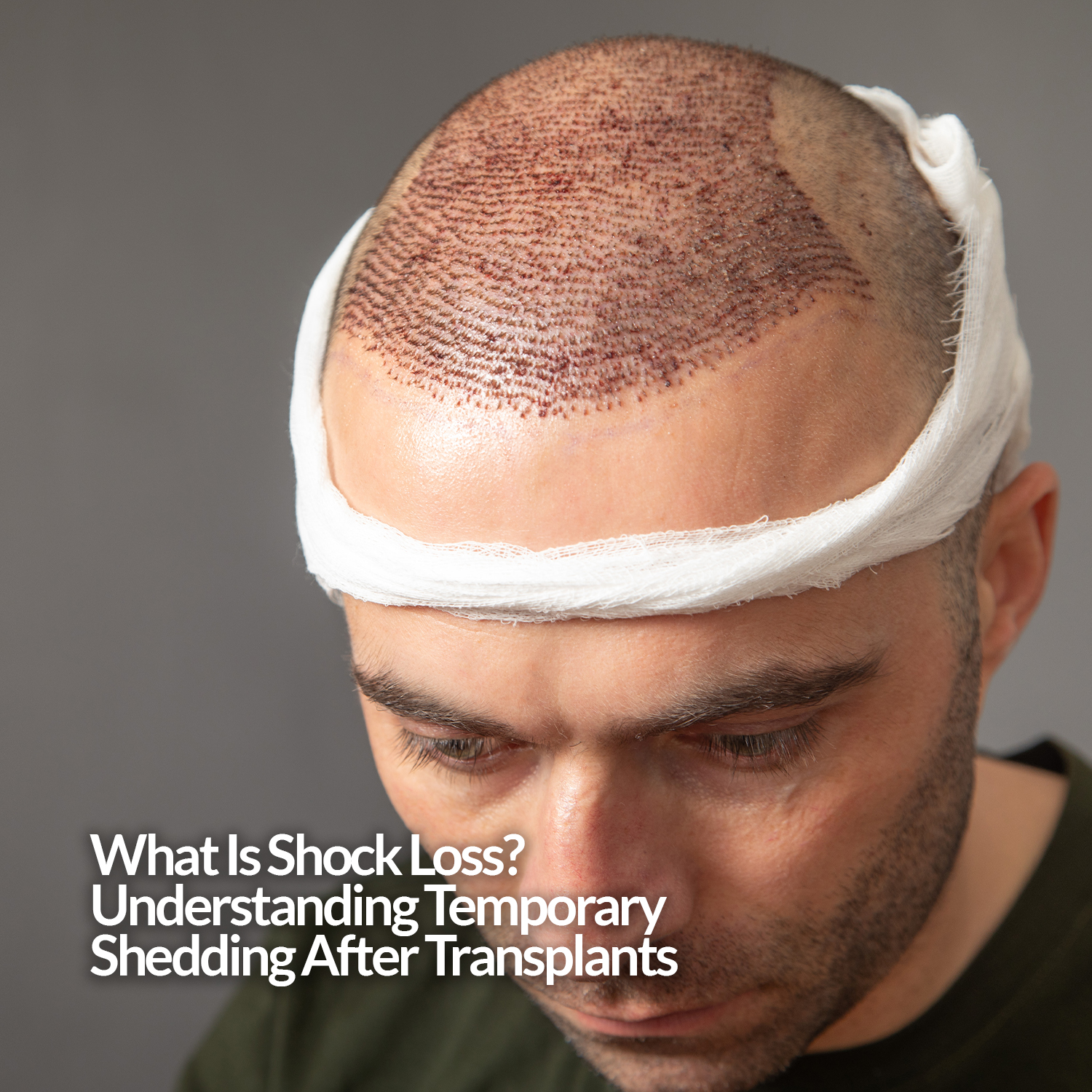
What Is Shock Loss? Understanding Temporary Shedding After Transplants

Undergoing a hair transplant is an exciting step toward restoring confidence and achieving a fuller, healthier head of hair. However, many patients experience a surprising phenomenon known as “shock loss” shortly after their procedure. While the term may sound alarming, it is a completely normal part of the recovery process. Let’s delve into what shock loss is, why it happens, and what you can expect as your hair begins its journey toward full restoration.

Understanding Shock Loss
Shock loss refers to the temporary shedding of hair in both the transplanted and surrounding areas after a hair restoration procedure. This shedding typically occurs within the first few weeks post-transplant and is part of the hair’s natural growth cycle. It’s important to note that this phase is temporary and does not signify a failed transplant. Instead, it’s a sign that your scalp is adapting to the changes introduced during the procedure.

Why Does Shock Loss Happen?
Shock loss occurs as a reaction to the trauma the scalp experiences during a hair transplant. Even with advanced techniques like Follicular Unit Extraction (FUE) or Follicular Unit Transplantation (FUT), the process of extracting and implanting hair follicles can temporarily disrupt the natural growth cycle of nearby hairs. This disruption causes the affected hairs to enter the “telogen” phase, also known as the resting phase, which leads to shedding.

Factors that contribute to shock loss include:
● Surgical Manipulation: The process of grafting and implanting follicles can stress the scalp.
● Circulation Changes: Adjustments to blood flow in the transplanted area can affect hair follicles.
● Scalp Sensitivity: Some individuals may have more sensitive scalps, making them more prone to shock loss.
The Timeline of Shock Loss
Here’s what you can expect during the shock loss phase:
● 1-3 Weeks Post-Procedure: Shedding begins as the transplanted and adjacent hairs enter the telogen phase.
● 4-6 Weeks Post-Procedure: Shedding peaks, and the treated area may appear sparser. This is a natural stage and not a cause for concern.
● 2-4 Months Post-Procedure: New hair growth begins. Fine, thin hairs start to emerge from the transplanted follicles.
● 6-12 Months Post-Procedure: The transplanted hairs thicken and blend naturally with existing hair, revealing fuller results.

How to Manage Shock Loss
While shock loss is temporary, it can be emotionally challenging. Here are some tips to manage the process and support healthy hair regrowth:
1. Follow Post-Procedure Instructions: Adhering to your surgeon’s aftercare guidelines is crucial. This includes gentle scalp washing, avoiding harsh products, and refraining from scratching the treated area.
2. Be Patient: Hair restoration is a gradual process, and shock loss is a normal step toward achieving long-term results.
3. Maintain a Healthy Lifestyle: Proper nutrition, hydration, and stress management can promote hair regrowth and overall recovery.
4. Consult Your Specialist: If you have concerns about the amount of shedding or the timeline, don’t hesitate to contact your hair restoration specialist for reassurance and guidance.

Understanding the Hair Growth Cycle
To fully appreciate the recovery process, it’s helpful to understand the hair growth cycle:
● Anagen (Growth Phase): Hair actively grows for several years.
● Catagen (Transitional Phase): Hair growth slows, and follicles prepare for the resting phase.
● Telogen (Resting Phase): Hair sheds and new growth begins.
Shock loss primarily affects hairs entering the telogen phase prematurely due to the transplant. However, these hairs will regrow as they re-enter the anagen phase.

Long-Term Outlook
Shock loss is a temporary and expected phase on the path to achieving your desired hair restoration results. With proper care and guidance from your hair restoration specialist, your scalp will recover, and new, healthy hair will emerge. Most patients see noticeable improvements within six months and complete results within a year.

Take the First Step Toward Your Transformation
Understanding the process and being prepared for shock loss can help you approach your hair transplant journey with confidence. If you’re considering a hair restoration procedure or have questions about the recovery process, our team is here to help. Call us at (301) 591-6552 or email info@anagenhairrestoration.com to schedule your consultation and take the first step toward a fuller, more confident you.

Categories
NeoGraft Hair Transplant

Ethnic Hair Restoration: Tailoring Techniques for Diverse Hair Textures

Hair restoration is a transformative procedure that can enhance confidence and improve quality of life. However, achieving optimal results requires a deep understanding of the unique characteristics of different hair types. Ethnic hair restoration—designed for individuals with African, Asian, Hispanic, and other diverse hair textures—requires specialized techniques to ensure natural-looking, long-lasting results. Here’s an in-depth look at how specialists tailor their approach to diverse hair textures and why this is crucial for success.

Understanding Ethnic Hair Characteristics
Each ethnic group has distinct hair characteristics that influence the restoration process. These differences include:

1. Hair Curl and Shape
○ African Hair: Tightly coiled with a flat, elliptical shape. This curl pattern adds complexity to extraction and implantation.
○ Asian Hair: Typically straight and thick, with a round cross-section. This hair type offers excellent coverage but requires precision in direction and density.
○ Hispanic Hair: A diverse range, including wavy, straight, or curly textures. The approach depends on the individual’s unique hair characteristics.

2. Scalp Characteristics
○ Density Variations: Some ethnicities naturally have higher or lower hair density, affecting donor area availability.
○ Skin Tone and Scarring: Darker skin tones may be prone to keloid formation, requiring careful handling during the procedure.

3. Hairline Design
○ Hairlines vary significantly among ethnic groups in shape, density, and positioning. Achieving natural results means replicating these subtle variations.

The Role of Expertise in Ethnic Hair Restoration
Specialists trained in ethnic hair restoration bring a wealth of knowledge to the table. Their expertise ensures:

1. Customized Extraction Techniques
○ Follicular Unit Extraction (FUE): For tightly coiled hair, FUE requires specialized tools and an experienced hand to avoid damaging the follicles.

○ Strip Harvesting (FUT): Less common but can be effective for individuals with thick donor areas and minimal risk of visible scarring.

2. Precise Implantation Methods
○ The angle, direction, and curl pattern must be meticulously planned to mimic natural hair growth.
○ Hair density is adjusted to match the patient’s ethnicity, ensuring consistent and realistic results.

3. Cultural Sensitivity
○ Beyond technical skills, understanding cultural preferences for hairline design and overall appearance is essential. For instance, some patients may prefer higher density along the hairline, while others prioritize soft transitions.

The Procedure: Step-by-Step Approach for Diverse Hair Types
1. Pre-Consultation Assessment
The journey begins with a comprehensive evaluation:
● Hair and Scalp Analysis: Identifying the unique texture, density, and donor area characteristics.
● Patient Goals: Discussing the desired outcome and setting realistic expectations.

2. Donor Area Preparation
● Specialized tools are used for extraction to accommodate different follicle shapes and scalp conditions.
● For tightly coiled hair, extra care ensures the follicle is intact during harvesting.

3. Recipient Area Design
● Hairline shape and density are carefully mapped to align with the patient’s ethnicity.
● The direction of implantation mimics the natural flow of hair growth.

4. Post-Procedure Care
● Tailored aftercare instructions account for the patient’s skin type and hair characteristics to minimize complications and optimize healing.

Challenges in Ethnic Hair Restoration
Ethnic hair restoration requires addressing unique challenges:
1. Curl Complexity
○ Curled follicles increase the risk of transection (damage during extraction). Using specialized punches and magnification tools minimizes this risk.

2. Skin Sensitivity
○ Darker skin tones are prone to hyperpigmentation and scarring. Proper technique and post-op care reduce these risks.

3. Limited Donor Supply
○ Some ethnicities naturally have less dense donor areas, requiring strategic planning to achieve maximum coverage.

Tailoring techniques for diverse hair textures not only ensures successful outcomes but also empowers patients from all backgrounds to feel confident and seen. By addressing the unique needs of each ethnicity, specialists honor the individuality of every patient while delivering outstanding results.

At Anagen Hair Restoration, we pride ourselves on providing personalized care for patients of all ethnicities. Our team is skilled in advanced techniques, ensuring every patient achieves their desired look. We understand the nuances of diverse hair textures and are committed to delivering natural, lasting results.

Take the first step toward restoring your hair and confidence! Reach out via email at info@anagenhairrestoration.com. You can also call us at (301) 591-6552 to schedule your consultation today.

Categories
NeoGraft Hair Transplant

Understanding Hair Density: How Specialists Achieve Thick, Natural Results

Hair restoration is as much an art as it is a science. One of the most critical aspects of creating a natural and aesthetically pleasing result is understanding hair density. Whether addressing thinning areas, receding hairlines, or full baldness, specialists rely on their knowledge of density to ensure results that look natural and blend seamlessly with the surrounding hair. This comprehensive guide explores the importance of hair density and the methods specialists use to achieve thick, natural-looking results.

What Is Hair Density?
Hair density refers to the number of hair follicles in a specific area of the scalp, typically measured per square centimeter. On average, a healthy scalp has about 80-120 follicular units per square centimeter, though this can vary depending on genetics, age, and ethnicity.
Hair density impacts the appearance of fullness and volume. While thick, dense hair gives a lush, youthful look, thinning hair can make the scalp visible, creating an aged appearance. Effective hair restoration focuses on replicating the natural density of the patient’s hair for the most authentic results.

The Role of Hair Density in Hair Restoration
Achieving natural results isn’t just about filling in bald spots; it requires replicating the natural patterns, angles, and density of hair growth. Specialists focus on:

1. Matching Density to Existing Hair: If the surrounding areas have high density, the restored area must match to avoid looking sparse or unnatural.

2. Creating Gradual Transitions: Hair density naturally tapers around the edges of the hairline. Specialists use strategic placement to mimic this gradual transition.

3. Avoiding Overcrowding: While dense hair is desirable, overcrowding follicles in a single area can damage the scalp and compromise the success of the transplant.

Techniques Specialists Use to Achieve Natural Density
Hair restoration specialists use advanced techniques and meticulous planning to ensure the best outcomes. Here are some methods employed to optimize density:

1. Follicular Unit Extraction (FUE)
This minimally invasive method involves extracting individual follicular units from a donor area and implanting them into the recipient area.

● Advantages: FUE allows for precise placement of follicles, enabling specialists to control density.
● Natural Results: The extracted grafts are placed strategically to mimic natural hair growth patterns, ensuring a full, even look.

2. Follicular Unit Transplantation (FUT)
In this method, a strip of skin with hair follicles is removed from the donor area, and the follicles are transplanted to thinning areas.
● Higher Graft Yields: FUT is ideal for patients requiring a significant number of grafts, making it easier to achieve high density in larger areas.
● Efficient Use of Donor Hair: Specialists carefully dissect the strip to maximize usable grafts.

Factors That Influence Achieving Optimal Density
Not all patients are the same, and several factors influence how specialists approach hair density:

1. Donor Area Availability
The density and health of the donor area—usually the back or sides of the scalp—determine how many grafts can be harvested. Patients with limited donor hair may require creative solutions, such as prioritizing specific areas for density enhancement.

2. Hair Characteristics
● Texture: Coarse or curly hair provides more coverage per graft compared to fine or straight hair.
● Color: Hair that closely matches the scalp’s tone creates the illusion of higher density.

3. Patient Goals
Every patient’s preferences are unique. Some may prioritize overall coverage, while others focus on specific areas, such as the hairline or crown.

4. Number of Sessions
In some cases, achieving optimal density may require multiple sessions. This approach allows specialists to build upon the results of previous procedures while preserving the integrity of the scalp.

The Importance of Choosing a Skilled Specialist
Hair restoration is a specialized field that requires technical expertise and an artistic eye. A skilled specialist will:
● Conduct a thorough evaluation of your hair loss and donor area.
● Design a personalized treatment plan to achieve your desired density.
● Use advanced tools and techniques for precise, natural results.
Maintaining Healthy Hair Density Post-Procedure

Once your hair restoration procedure is complete, proper care is essential to maintain your results. Here’s how you can ensure long-term success:

● Follow Post-Procedure Instructions: Your doctor will provide guidelines for cleaning and caring for the treated areas.
● Avoid Strenuous Activities: Refrain from activities that may strain the scalp or cause sweating during the initial recovery period.
● Adopt a Healthy Lifestyle: A balanced diet, proper hydration, and avoiding smoking can promote healthy hair growth.
● Regular Check-Ins: Periodic follow-ups with your specialist will help monitor progress and address any concerns.

Transform Your Confidence with Natural-Looking Density
Hair density plays a vital role in creating thick, natural results that enhance your appearance and confidence. Whether you’re just beginning to explore hair restoration or are ready to take the next step, understanding the science behind density empowers you to make informed decisions.

At Anagen Hair Restoration, we combine advanced techniques with artistic precision to deliver results that look and feel natural. Contact us via email at info@anagenhairrestoration.com. You can also call us at (301) 591-6552 to schedule your consultation and take the first step toward thicker, fuller hair.