Anagen Hair Restoration

Categories
NeoGraft Hair Transplant

Why Self-Care and Hair Restoration Go Hand in Hand

Self-care is a cornerstone of maintaining mental, emotional, and physical well-being. As the concept of self-care has evolved, it now includes addressing personal concerns that impact confidence and happiness, such as hair loss. Hair restoration transcends being just a cosmetic procedure—it’s a commitment to rebuilding self-esteem, reclaiming your appearance, and improving your overall quality of life.

This article explores the strong connection between self-care and hair restoration and why they work so well together.

The Emotional Connection Between Self-Care and Hair

Hair plays a significant role in self-expression and identity, affecting how we view ourselves and how others perceive us. Hair loss can lead to feelings of insecurity, anxiety, and even depression, making it more than just a physical issue—it’s an emotional challenge.

Investing in hair restoration is a form of self-care that directly addresses these concerns. Restoring hair goes beyond improving outward appearance; it enhances inner emotional well-being. The confidence that comes with a fuller head of hair can ripple through every aspect of life, from personal relationships to professional opportunities.


How Hair Restoration Supports Self-Care

  1. Building Confidence
    Self-care is about fostering a positive relationship with yourself, and hair restoration does exactly that. Whether addressing thinning hair, bald spots, or receding hairlines, the transformation can help you feel more self-assured and comfortable in your own skin.

  2. Mental Health Benefits
    Hair loss can be emotionally taxing, leading to stress and feelings of inadequacy. Hair restoration can alleviate these emotions, providing relief and promoting a healthier mental outlook.

  3. A Meaningful Investment
    Self-care often involves investing in long-term happiness and well-being. Hair restoration is a deliberate and empowering way to take control of your appearance and boost your confidence for years to come.


Lifestyle Choices That Complement Hair Restoration

Hair restoration works best when combined with healthy lifestyle practices. These self-care habits can support hair health and enhance restoration results:

  • Balanced Diet: Incorporate foods rich in biotin, zinc, and omega-3 fatty acids to nourish your hair.
  • Hydration: Staying hydrated supports overall scalp and hair follicle health.
  • Stress Management: Practices like yoga, meditation, or exercise can reduce stress, which often contributes to hair loss.
  • Gentle Hair Products: Use sulfate-free shampoos and conditioners to avoid damaging hair and scalp.
  • Hair Protection: Minimize heat styling and always use protective sprays to prevent damage.

Why Hair Restoration Is a Powerful Form of Self-Care

Choosing hair restoration isn’t just about aesthetics—it’s about prioritizing your well-being. Modern techniques such as Follicular Unit Extraction (FUE) and Platelet-Rich Plasma (PRP) therapy make the process effective, minimally invasive, and highly rewarding.

Hair restoration allows you to reclaim control over your appearance, helping you feel aligned with your best self. By addressing hair loss, you’re investing in a future filled with greater confidence and self-assurance.

Your Journey Starts Here

At Anagen Hair Restoration, we understand the profound impact hair loss can have on your life. That’s why we’re committed to providing personalized care and advanced solutions tailored to your unique needs. From consultation to post-treatment guidance, our team is with you every step of the way.

Discover more about how hair restoration can transform your confidence by connecting with us on social media:

Take the first step in prioritizing your self-care today. Let Anagen Hair Restoration help you achieve the confidence you deserve.

Categories
NeoGraft Hair Transplant

The Science Behind Hair Transplants: How Does It Work?

Hair loss is a common concern that affects millions of people worldwide, but thanks to advancements in medical technology, hair restoration through transplants has become an effective and reliable solution. Understanding the science behind hair transplants is key to appreciating how they work and why they deliver such remarkable results.

Understanding Hair Transplants

Hair transplants are surgical procedures designed to move hair follicles from one area of the body, known as the “donor site,” to another area experiencing thinning or baldness, referred to as the “recipient site.” The goal is to create a natural-looking restoration that blends seamlessly with your existing hair.

The science of hair transplants hinges on the concept of “donor dominance.” This principle explains why hair from certain areas, such as the back or sides of the scalp, remains resistant to balding. Hair follicles from these regions retain their genetic resistance to hair loss, even when relocated to areas affected by conditions like androgenetic alopecia.

The Hair Transplant Process

The hair transplant process typically involves several carefully executed steps to ensure success. Below is an overview of how it works:

1. Consultation and Evaluation

The journey begins with a consultation with a hair restoration specialist. During this stage, the specialist evaluates the extent of hair loss, examines the donor area, and determines if you are a suitable candidate for the procedure. Factors like overall health, hair density in the donor area, and realistic expectations are considered.

2. Harvesting Hair Follicles

Once you’re approved for the procedure, the next step is harvesting hair follicles from the donor site. There are two main techniques used for this:

  • Follicular Unit Transplantation (FUT): In this method, a strip of skin containing hair follicles is surgically removed from the donor area. The strip is then dissected into individual follicular units under a microscope.

  • Follicular Unit Extraction (FUE): This minimally invasive technique involves removing individual hair follicles directly from the donor site using a small, circular tool. FUE is less invasive than FUT and does not leave a linear scar, making it a popular choice among patients.


3. Preparing the Recipient Area

After harvesting, the recipient area is prepared for implantation. Small incisions are made in the balding or thinning areas to create a natural growth pattern. The surgeon’s skill in making these incisions is crucial for achieving a natural look.

4. Implanting Hair Follicles

Each harvested follicle is carefully placed into the prepared incisions. The placement of the follicles is strategic, considering factors like angle, direction, and density to ensure that the results mimic natural hair growth.

5. Post-Procedure Care

After the procedure, patients receive detailed instructions on caring for their scalp during the healing process. This may include avoiding strenuous activities, refraining from direct sunlight, and following a prescribed medication regimen to prevent infection and promote healing.

How Hair Transplants Work Scientifically

The success of hair transplants lies in the biology of hair growth. Hair follicles transplanted from donor areas retain their genetic code, which makes them resistant to the hormonal effects that cause hair loss. This ensures that the transplanted hair continues to grow even after being relocated.

Once transplanted, the follicles undergo a natural cycle:

  • Shedding Phase: In the weeks following the procedure, the transplanted hair typically sheds. This is a normal part of the process as the follicles adjust to their new location.

  • Resting Phase: After shedding, the follicles enter a resting phase that can last a few months. During this time, new hair growth is not immediately visible.

  • Growth Phase: Once the follicles have adapted, new hair begins to grow. Over the course of several months, this growth becomes more apparent, and full results are typically achieved within 9-12 months.

Benefits of Hair Transplants

Hair transplants offer several benefits that make them a preferred choice for addressing hair loss:

  • Natural Results: When performed by skilled specialists, hair transplants produce results that are virtually indistinguishable from natural hair.

  • Permanent Solution: Unlike temporary fixes like wigs or hairpieces, transplants provide a long-term solution, as transplanted hair is resistant to hair loss.

  • Minimally Invasive: With techniques like FUE, hair transplants are less invasive, involve minimal discomfort, and require shorter recovery times.

  • Boost in Confidence: Restoring a full head of hair can significantly improve self-esteem and overall quality of life.

Are Hair Transplants Right for You?

While hair transplants are effective, they are not suitable for everyone. Ideal candidates typically have:

  • Sufficient donor hair in the back or sides of the scalp.
  • Realistic expectations about the outcome.
  • Stable hair loss, meaning their hair loss pattern has stabilized over time.

If you’re considering a hair transplant, consulting with an experienced hair restoration clinic is essential to determine if it’s the right option for you.

Why Choose Anagen Hair Restoration?

Anagen Hair Restoration combines cutting-edge technology with personalized care to deliver exceptional results. Our team of specialists is dedicated to helping you regain your confidence through tailored treatment plans. Whether you’re exploring FUE, FUT, or other advanced hair restoration methods, we’re here to guide you every step of the way.

Take the first step toward a fuller, more confident you. Schedule your consultation with Anagen Hair Restoration today and discover how our expertise can transform your hair and your life.

Contact Us

  • Locations: Washington DC, Maryland, Pennsylvania, New York, New Jersey
  • Phone: (301) 591-6552
Categories
NeoGraft Hair Transplant

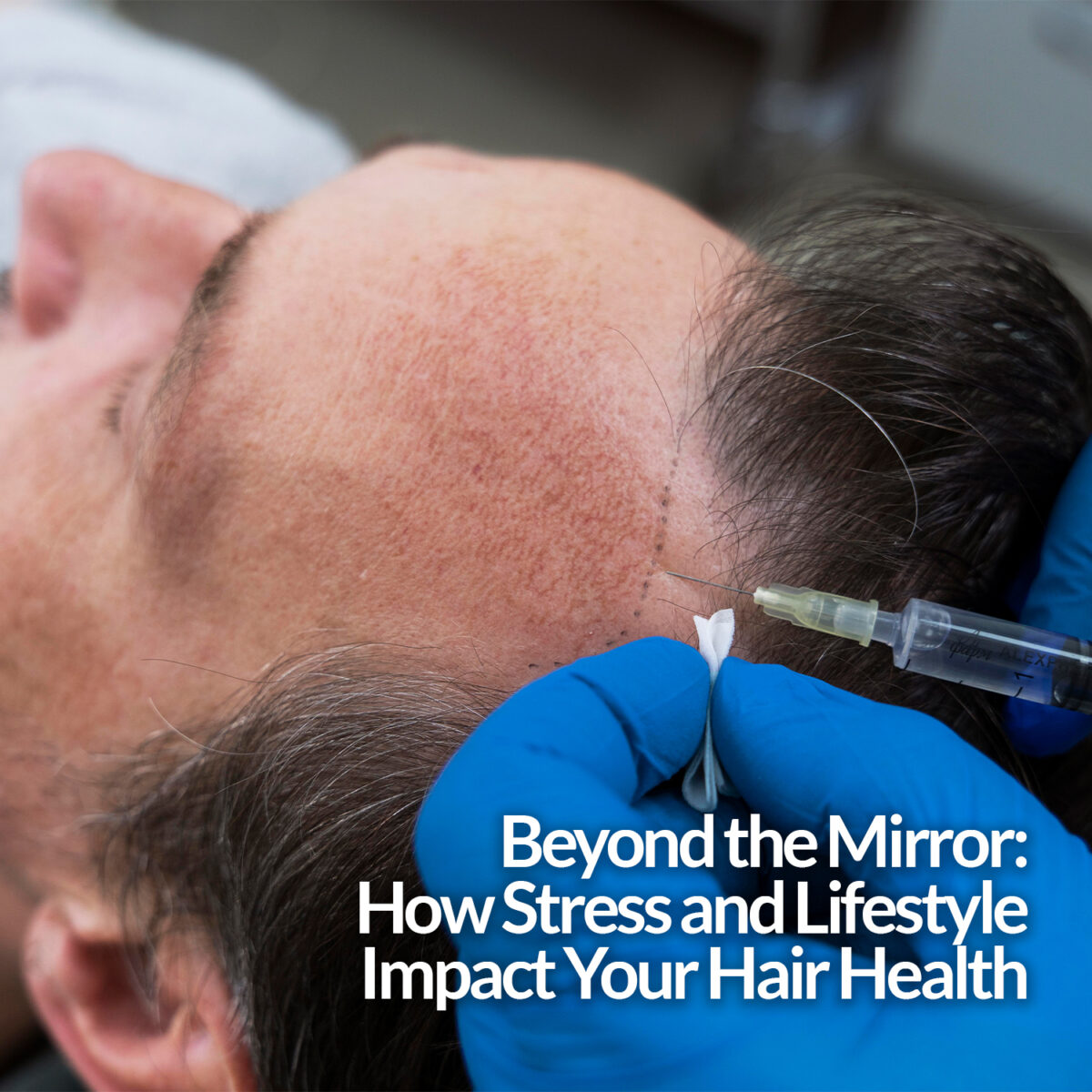
Beyond the Mirror: How Stress and Lifestyle Impact Your Hair Health

Healthy, vibrant hair isn’t just a result of good genetics or quality hair products; it also reflects your overall well-being. Stress, sleep patterns, diet, and exercise habits play a significant role in your hair’s appearance and vitality. Here’s a closer look at how lifestyle choices and stress levels impact your hair health and what you can do to achieve stronger, healthier locks.

1. Stress and Its Effects on Hair Health

When it comes to hair health, stress is one of the biggest culprits of hair problems, including thinning, shedding, and even bald patches. Here’s how stress affects your hair:

  • Telogen Effluvium: Stress can push hair follicles into a “resting” phase, leading to increased shedding and thinning. This condition, known as telogen effluvium, often manifests 2-3 months after a significant stress event.
  • Alopecia Areata: In some cases, stress can trigger an autoimmune response that attacks hair follicles, leading to patchy hair loss.
  • Hormonal Imbalances: Stress triggers the release of cortisol, a hormone that can disrupt the natural balance of other hormones, like estrogen and testosterone, impacting hair growth cycles.

Solution: Incorporate stress-relieving practices such as meditation, deep breathing, or regular exercise into your daily routine. These activities help lower cortisol levels and promote overall wellness, benefiting both your mind and hair.

2. Diet and Nutritional Deficiencies

A well-balanced diet is essential for healthy hair growth. Hair is made up of keratin, a protein, and relies on a variety of nutrients to maintain strength, shine, and resilience. Nutritional deficiencies can directly affect hair health, causing it to become brittle, thin, or prone to breakage.

Key Nutrients for Hair Health:

  • Protein: Hair is primarily composed of protein, so a diet rich in lean meats, fish, eggs, and legumes supports strong, healthy growth.
  • Iron: Essential for oxygenating hair follicles. Low iron levels can lead to hair thinning, particularly in women. Include foods like spinach, red meat, and lentils for an iron boost.
  • Omega-3 Fatty Acids: Found in fish, flaxseeds, and walnuts, omega-3s help keep hair hydrated and scalp inflammation at bay.
  • Vitamins A and C: These vitamins, found in carrots, sweet potatoes, and citrus fruits, promote scalp health and help hair retain moisture.

Solution: Aim for a diet that includes a variety of fruits, vegetables, lean proteins, and healthy fats. If you suspect a nutrient deficiency, consult a healthcare provider to discuss supplements that may support hair health.

3. Sleep Quality and Hair Growth

Sleep is the body’s time to repair and regenerate, including the cells that contribute to hair growth. Poor sleep can hinder the body’s ability to repair damage, leading to dull, weak hair.

  • Melatonin Production: Sleep regulates melatonin levels, a hormone that has been shown to support hair growth. Disrupted sleep patterns may interfere with melatonin production, affecting hair health.
  • Cell Repair and Growth: During deep sleep, the body produces growth hormone, which stimulates cell repair and growth, including that of hair follicles.

Solution: Prioritize good sleep hygiene by maintaining a consistent sleep schedule, limiting caffeine intake late in the day, and creating a relaxing bedtime routine. Aim for 7-8 hours of quality sleep each night to support hair regeneration.

4. Exercise and Blood Circulation

Regular exercise not only improves overall health but also benefits your hair by boosting blood circulation. Increased blood flow to the scalp ensures that hair follicles receive an ample supply of oxygen and nutrients, promoting healthy growth.

  • Scalp Health: Sweating helps unclog hair follicles, which may otherwise become blocked by sebum and impurities.
  • Endorphin Release: Exercise reduces stress by releasing endorphins, which helps lower cortisol levels and minimizes the risk of stress-induced hair loss.

Solution: Incorporate 150 minutes of moderate aerobic exercise into your weekly routine. Activities like brisk walking, swimming, or yoga not only support physical health but also enhance hair health by improving circulation.

5. Smoking, Alcohol, and Hair Health

Habits like smoking and excessive alcohol consumption can negatively impact hair health. Both can lead to nutrient deficiencies, poor circulation, and increased toxin levels in the body.

  • Smoking: Nicotine restricts blood flow, limiting the oxygen supply to hair follicles, which can lead to premature aging and hair loss.
  • Alcohol: Excessive alcohol consumption dehydrates the body, leading to dry, brittle hair. Alcohol also depletes essential vitamins, such as vitamins A and C, which are vital for hair health.

Solution: Limiting alcohol intake and avoiding smoking can have a significant positive impact on hair health. Opt for healthy, hydrating beverages like water, herbal tea, and fresh juices to maintain optimal hydration and nutrient levels.

6. Hydration and Scalp Health

Dehydration affects the entire body, including your scalp and hair. A dry scalp can lead to dandruff, itchiness, and an increased risk of breakage, as hair becomes brittle without proper hydration.

Solution: Drink at least 8 cups (64 ounces) of water daily. In addition to hydrating from within, consider using a hydrating scalp treatment or moisturizing conditioner to keep your scalp and hair well-nourished.

7. Hair Care Practices and Product Choices

Your lifestyle includes how you care for your hair daily. Heat styling, chemical treatments, and frequent washing can damage hair, especially if not done carefully.

  • Limit Heat Styling: Excessive use of heat styling tools can weaken the hair shaft, leading to breakage and split ends.
  • Choose Quality Products: Harsh shampoos with sulfates can strip hair of natural oils, leaving it dry and brittle. Opt for sulfate-free shampoos and conditioners formulated for your hair type.
  • Avoid Over-Washing: Washing too frequently can strip away natural oils. For most hair types, washing every 2-3 days is sufficient.

Solution: Use a gentle hair care routine with products designed to support your specific hair needs. Consider air-drying your hair or using heat styling tools on a low setting to minimize damage.

The Bottom Line: A Holistic Approach to Hair Health

Taking care of your hair goes beyond topical treatments. By addressing lifestyle factors such as diet, sleep, exercise, and stress management, you create an environment where hair can grow healthy and strong. Remember, hair growth and overall hair health are reflections of your internal wellness, so make choices that support both.

How Anagen Hair Restoration Can Help

For those experiencing hair loss despite a healthy lifestyle, Anagen Hair Restoration offers advanced solutions that go beyond at-home care. With a range of services designed to address hair thinning and hair loss, Anagen can help you regain confidence and achieve thicker, fuller hair.

Why Choose Anagen Hair Restoration?

  • Personalized Care: Each treatment is tailored to meet the unique needs of our clients, ensuring optimal results based on individual hair and scalp conditions.
  • Advanced Technology: From Platelet-Rich Plasma (PRP) treatments to hair transplants, Anagen offers the latest in hair restoration technology.
  • Experienced Professionals: Anagen’s team of skilled professionals has extensive experience in both preventive and restorative hair care.

Contact Us

For more information or to schedule a consultation, visit Anagen Hair Restoration at one of our offices in Maryland, Washington DC, or Virginia. Call us at (301) 591-6552 or email us at info@anagenhairrestoration.com. Let Anagen help you achieve the healthy, beautiful hair you deserve by addressing lifestyle-related and hereditary hair concerns.

Categories
NeoGraft Hair Transplant

Beard Transplants: What to Expect and Who Can Benefit

Facial hair has become a defining feature for many men, symbolizing style, maturity, and confidence. Yet, not everyone can grow a full, even beard due to genetics, scarring, or other factors. For men who struggle with patchy, thin, or uneven facial hair, a beard transplant offers a promising solution. Here’s what to expect from a beard transplant and insights on who can benefit most from this procedure.


 What Is a Beard Transplant?

A beard transplant is a cosmetic procedure in which hair follicles are transplanted to the face to create a fuller, thicker beard. The process typically involves taking hair follicles from a donor area (often the back of the scalp) and implanting them in areas of the face where beard growth is thin or patchy. Beard transplants have become increasingly popular as they provide a long-lasting solution to facial hair issues.


 The Beard Transplant Process: What to Expect

  1. Consultation and Planning

   – During an initial consultation, a specialist will assess your facial hair growth patterns, desired beard shape, and the amount of hair needed.

   – They will identify a suitable donor area, usually at the back or sides of the scalp where hair is densest.

   – You’ll discuss your goals and get a sense of what results are realistic based on your hair type, face shape, and skin tone.


  1. Procedure Overview

   – Follicular Unit Extraction (FUE): The most common technique, FUE involves individually extracting hair follicles from the donor area and implanting them into the beard area. This method results in minimal scarring and a natural appearance.

   – Follicular Unit Transplantation (FUT): In this technique, a strip of skin containing hair follicles is removed from the donor area and dissected into individual grafts. FUT can yield more grafts in a shorter time but may leave a small scar at the donor site.

   – The procedure is typically done under local anesthesia and takes anywhere from 2 to 5 hours, depending on the extent of the transplant.


  1. Recovery

   – Following the transplant, mild swelling or redness in the treated area is normal and usually subsides within a few days.

   – Tiny scabs may form around the implanted hair follicles, falling off naturally within a week or so.

   – You’ll need to avoid shaving the transplanted area for at least 10 days post-procedure, allowing the grafts to secure.


  1. Results Timeline

   – Initial Shedding: After a few weeks, the transplanted hair will shed, which is a normal part of the process.

   – Regrowth Period: New hair will begin to grow from the transplanted follicles within 3-4 months.

   – Full Results: It may take 8-12 months to see the final results, as the new hair grows in cycles, becoming thicker and more natural-looking over time.


 Who Can Benefit from a Beard Transplant?

A beard transplant is ideal for individuals with specific facial hair concerns, including:

– Men with Patchy Beards: If you have areas of sparse or uneven growth that make it difficult to achieve a full beard, a transplant can help fill in those gaps.

– Scarring from Injury or Surgery: Those who have scars on their face that prevent hair growth can benefit, as the procedure can restore hair to these areas, blending in with the rest of the beard.

– Genetic Limitations: Some men simply lack the genetic makeup for a thick beard. A transplant can provide density where natural growth falls short.

– Men Seeking Specific Beard Shapes: Whether you’re after a certain style, such as a full beard, goatee, or mustache, a transplant can help shape and define your facial hair according to your preferences.


 Benefits of Beard Transplants

– Long-Lasting Results: Unlike temporary solutions or topical treatments, a beard transplant provides permanent results as the transplanted follicles continue to grow naturally.

– Improved Confidence and Appearance: Many men find that a fuller beard boosts their self-esteem and provides them with a more mature, defined look.

– Customizable Style: A transplant allows you to create a beard style that complements your face shape and personal aesthetic.


 Common Myths about Beard Transplants

  1. Myth: Beard transplants are extremely painful.

   – Reality: Local anesthesia is used during the procedure, so discomfort is minimal. Patients may experience mild soreness or tenderness afterward, but this typically resolves quickly.

  1. Myth: Transplanted beard hair looks unnatural.

   – Reality: When performed by an experienced professional, the results look very natural. The transplanted hair is placed at the correct angle and direction to match your natural beard growth pattern.

  1. Myth: Beard transplants are only for severe hair loss.

   – Reality: Many men seek beard transplants for mild to moderate patchiness or to enhance specific areas, like the mustache or goatee, not just for severe hair loss.


 Preparing for a Beard Transplant

– Discuss Expectations with Your Surgeon: Clearly outline the look you want to achieve, and ask about the number of grafts you’ll need for your desired outcome.

– Avoid Certain Medications and Smoking: Your surgeon may advise avoiding certain blood-thinning medications and abstaining from smoking, which can affect healing.

– Plan for a Few Days of Recovery: While downtime is minimal, setting aside time for initial recovery can make the process smoother.


 Aftercare Tips

– Avoid Touching or Scratching: It’s important to let the transplanted follicles heal, so avoid touching or scratching the area.

– Follow Post-Procedure Instructions: Your specialist will provide instructions on washing and caring for your beard in the days following the transplant.

– Be Patient with Shedding: It’s normal for transplanted hair to shed within the first few weeks, as this is a natural part of the hair growth cycle. The new hair will start growing within a few months.


 Why Choose Anagen Hair Restoration for Your Beard Transplant?

If you’re considering a beard transplant, Anagen Hair Restoration provides expert, personalized care to ensure optimal results. Here’s why Anagen is a leading choice:

– Experienced Specialists: Our team has extensive experience in facial hair restoration, ensuring natural-looking results that enhance your facial features.

– State-of-the-Art Techniques: Using advanced techniques like FUE, we minimize scarring and recovery time while maximizing density and natural appearance.

– Comprehensive Aftercare Support: Anagen offers detailed aftercare instructions and follow-up support to ensure a smooth recovery and best results.


Contact Anagen Hair Restoration

To learn more about how a beard transplant can help you achieve a fuller, well-defined beard, contact Anagen Hair Restoration. We have offices in Maryland, Washington DC, and Virginia. Call us at (301) 591-6552 or email us at info@anagenhairrestoration.com to schedule a consultation. Let Anagen help you take the first step toward your ideal beard.

Categories
NeoGraft Hair Transplant

Mastering the Art of Beard Care: Essential Tips for a Healthy, Full Beard

Growing a beard is more than just letting your facial hair grow. A well-maintained beard can enhance your appearance, boost your confidence, and reflect your style. But achieving a healthy, full beard requires more than patience; it demands a thoughtful care routine. Here are the essential tips to help you master the art of beard care and achieve the beard you’ve always wanted.


 Commit to a Beard Care Routine

Caring for a beard is like caring for the hair on your head – it requires regular attention and maintenance. Developing a routine will help ensure that your beard grows in healthy and stays well-groomed. Here are the key steps:

– Wash Regularly: Use a gentle beard shampoo or cleanser 2-3 times a week to remove dirt, oil, and impurities. Avoid using regular hair shampoo, as it can dry out your beard.

– Condition: Just like your hair, your beard needs conditioning to stay soft. Use a beard conditioner or beard balm to lock in moisture and prevent dryness and frizz.


 Moisturize and Hydrate

Keeping your beard and skin hydrated is essential for a healthy look and feel. Dryness can lead to itching, flakiness, and even beard dandruff, which can be both uncomfortable and unsightly.

– Apply Beard Oil Daily: Beard oil not only moisturizes the beard hair but also hydrates the skin beneath. It helps reduce itchiness and adds a healthy shine to your beard.

– Use Beard Balm for Extra Hold: For a fuller look and extra hydration, try a beard balm. It provides hold for styling, conditions your beard, and adds volume.


 Brush and Comb Your Beard

Regular brushing and combing help distribute natural oils, detangle hair, and promote a well-groomed appearance. Combing your beard daily also helps train the hair to grow in the desired direction, minimizing stray hairs and unruliness.

– Use a Boar Bristle Brush: This type of brush is ideal for distributing oils, smoothing out the beard, and adding volume.

– Comb from Root to Tip: Start combing from the skin outward to evenly spread beard oil and prevent knots.


 Trim Regularly

Even if you’re growing out your beard, regular trims are essential to keep it looking sharp and healthy. Trimming prevents split ends and gives your beard a more polished appearance.

– Invest in Quality Tools: Use a good pair of scissors or a trimmer designed for beard grooming to maintain clean edges.

– Define Your Neckline and Cheek Line: This helps keep your beard looking intentional rather than scruffy. A defined neckline and cheek line add structure to your beard and enhance your facial features.


 Fuel Your Beard with Proper Nutrition

Healthy hair growth, including beard hair, relies on a well-balanced diet. A diet rich in vitamins and minerals, especially those that promote hair health, can help boost your beard growth.

– Consume Protein-Rich Foods: Hair is made of keratin, a type of protein. Including protein-rich foods like lean meats, eggs, and nuts can help strengthen your beard.

– Vitamin B Complex: B vitamins, particularly biotin, are known to support hair growth. Foods like whole grains, eggs, and nuts are great sources.

– Omega-3 Fatty Acids: Found in fish, flaxseeds, and walnuts, omega-3s help nourish hair follicles and add shine.


  Exercise and Reduce Stress

Lifestyle factors such as stress and physical activity can influence your hair growth. Stress, in particular, can slow down hair growth and even lead to hair loss. Regular exercise helps improve blood circulation, which in turn delivers essential nutrients to hair follicles and promotes healthy growth.

– Practice Stress-Relieving Activities: Meditation, yoga, and even deep breathing exercises can help manage stress levels.

– Stay Active: Exercise improves blood flow, bringing more nutrients and oxygen to the skin and hair follicles.


 Be Patient and Persistent

Growing a beard requires time and patience. It’s natural to encounter some patchiness or slower growth in certain areas. Avoid the urge to trim or shape too soon; allow your beard to grow for at least 4-6 weeks to assess its natural shape and fullness.


Consider Professional Beard Care Services

If you’re serious about achieving a well-groomed beard, a visit to a professional barber can make a significant difference. A skilled barber can shape your beard, offer advice on growth, and provide a level of detail and precision that’s hard to achieve on your own.


 Common Beard Problems and How to Fix Them

– Beard Itch

One of the most common complaints, especially during the initial growth stage, is itchiness. Regular use of beard oil and keeping the beard clean will help minimize this discomfort.

– Patchy Growth

Patchy areas are common, and some people experience uneven growth due to genetics. Letting your beard grow out can help cover some patchy spots, while beard balm can help style the beard for a fuller look. 

– Dandruff and Dry Skin

Beard dandruff, or “beardruff,” is often caused by dryness. Using a moisturizing beard wash and following up with beard oil and balm can reduce flakiness and soothe the skin underneath.


 Choosing the Right Products for Your Beard Type

Understanding your beard type can help you select products that best suit your needs. Here are some tips for different beard types:

– Thick Beards: Opt for lightweight oils and balms that won’t weigh your beard down.

– Curly or Coarse Beards: Use products with extra conditioning properties, like shea butter or argan oil, to keep your beard soft and manageable.

– Thin or Patchy Beards: Use a boar bristle brush to add volume, and apply a small amount of balm to help style and shape your beard for a fuller appearance.


 The Anagen Hair Restoration Advantage

For those struggling with beard growth or facing issues like patchiness or thinning, Anagen Hair Restoration offers advanced solutions that go beyond at-home care. With professional techniques in hair restoration, Anagen can help address concerns related to slow or uneven beard growth.


Why Choose Anagen Hair Restoration?

– Personalized Solutions: We assess each client’s specific beard and hair needs, creating a customized plan for optimal growth and appearance.

– State-of-the-Art Technology: From Platelet-Rich Plasma (PRP) treatments to advanced hair transplant options, Anagen uses the latest in hair restoration technology to ensure effective, natural-looking results.

– Experienced Team: Our skilled professionals have extensive experience in hair and beard restoration, helping clients achieve the full, healthy beard they desire.


Contact Anagen Hair Restoration

Visit Anagen Hair Restoration at our conveniently located offices in Maryland, Washington DC, and Virginia. To learn more or schedule a consultation, call us at (301) 591-6552 or email us at [info@anagenhairrestoration.com](mailto:info@anagenhairrestoration.com). Let Anagen help you unlock the full potential of your beard.

Categories
NeoGraft Hair Transplant

Nutrition Myths Busted: Foods That Really Boost Hair Growth

Hair growth and overall hair health are influenced by numerous factors, including genetics, lifestyle, and nutrition. While there’s no shortage of “miracle” foods and products claiming to boost hair growth, many of these claims are based on myths or misinformation. To help you separate fact from fiction, here’s a look at the foods that truly nourish hair and promote healthy growth.

 Myth #1: Only Expensive Superfoods Promote Hair Growth

The truth is, you don’t need exotic or pricey superfoods to support healthy hair growth. While foods like acai berries, spirulina, and goji berries are packed with nutrients, many affordable everyday foods contain essential vitamins and minerals that benefit your hair.

Reality: Foods like eggs, leafy greens, nuts, and whole grains are just as effective in providing nutrients essential for hair health. Here are some nutrient-rich staples to add to your diet for stronger, healthier hair:

– Eggs: A great source of protein and biotin, two nutrients that play key roles in hair structure and growth.

– Spinach and Kale: These greens are high in iron, vitamin A, and vitamin C, which are all essential for a healthy scalp and hair growth.

– Nuts and Seeds: Almonds, sunflower seeds, and chia seeds provide vitamin E, which supports blood circulation to the scalp and prevents oxidative stress that can damage hair.


 Myth #2: Eating Gelatin or Collagen Directly Translates to Hair Growth

Many believe that consuming gelatin or collagen will directly result in stronger hair because hair itself contains keratin, a protein. While collagen and gelatin can benefit hair health by supporting skin and scalp integrity, they aren’t a magical solution on their own.

Reality: Collagen is beneficial, but overall protein intake matters more. A diet rich in lean proteins, like chicken, fish, legumes, and dairy, helps provide the amino acids needed to produce keratin. Foods rich in vitamin C, like oranges and bell peppers, can also help boost collagen production naturally.


 Myth #3: Carbs and Fats Are Bad for Hair Health

Low-carb or low-fat diets are often promoted for weight loss, but restricting these macronutrients can negatively impact hair health. Hair follicles require energy, and carbohydrates are an important energy source. Healthy fats also support hormone balance, which is vital for hair growth.

Reality: Carbohydrates and fats play crucial roles in hair health. Choose complex carbs like whole grains and fruits to provide sustained energy, and include healthy fats like avocado, olive oil, and fatty fish, which supply omega-3 fatty acids that help nourish hair follicles and reduce inflammation.


 Myth #4: Vitamins Alone Can Make Hair Grow Faster

While hair vitamins are popular, they won’t work wonders on their own if you aren’t getting balanced nutrition. Hair supplements often include biotin, vitamin D, and zinc, which can support hair health, but they’re only part of the equation.

Reality: A balanced diet is more effective than any single supplement. Focus on a variety of foods rich in essential vitamins and minerals to get comprehensive benefits. Here are some key vitamins and minerals that contribute to healthy hair growth:

– Vitamin A: Found in carrots, sweet potatoes, and spinach, it supports sebum production on the scalp, keeping hair moisturized.

– Vitamin E: Available in almonds, avocados, and spinach, it helps prevent oxidative stress, which can weaken hair follicles.

– Zinc: Found in nuts, shellfish, and whole grains, zinc is essential for hair tissue growth and repair.


 Myth #5: Dairy Is Essential for Strong Hair

While dairy products provide calcium and protein, they’re not essential for everyone to maintain strong hair. In fact, some people experience hair loss due to hormonal imbalances exacerbated by dairy.

Reality: There are numerous non-dairy sources of hair-strengthening nutrients. For example:

– Calcium: Available in leafy greens, almonds, and fortified non-dairy milk.

– Protein: Legumes, nuts, seeds, and tofu are excellent plant-based protein options that support hair growth.

– Vitamin D: While milk is often fortified, you can also get vitamin D from sunlight exposure and foods like salmon and mushrooms.


 Myth #6: Eating Fatty Foods Causes Hair Loss

There’s a misconception that consuming fatty foods directly causes greasy hair and hair loss. However, healthy fats, especially those high in omega-3 and omega-6 fatty acids, are vital for scalp health and hair hydration.

Reality: Healthy fats are essential for hair growth. Fatty fish like salmon and mackerel, walnuts, and flaxseeds provide omega-3 fatty acids that nourish the scalp and support the natural oils needed to keep hair moisturized. Avoiding unhealthy trans fats, often found in processed foods, is essential, but including healthy fats can actually improve hair quality.


 Myth #7: Drinking Caffeine or Alcohol Has No Effect on Hair

Both caffeine and alcohol impact hair health. Excessive alcohol intake can lead to dehydration, which weakens hair, while caffeine, in moderation, may actually stimulate hair growth by improving circulation to the scalp.

Reality: Stay hydrated and consume caffeine in moderation. Drinking plenty of water and cutting back on alcohol can improve hydration levels, which directly affects hair health. For a caffeine boost, green tea and black coffee can improve circulation without depleting the body of hydration.


 Foods That Truly Boost Hair Growth

Now that we’ve debunked some common myths, let’s focus on foods that have been scientifically proven to benefit hair health:

– Sweet Potatoes: Rich in beta-carotene, which converts to vitamin A in the body. Vitamin A helps maintain sebum production, ensuring the scalp stays moisturized.

– Oysters: One of the best sources of zinc, oysters help with hair tissue growth and repair.

– Greek Yogurt: High in protein and B vitamins, especially B5, which can improve blood flow to the scalp and promote hair growth.

– Berries: Blueberries, strawberries, and raspberries are packed with vitamin C, which supports collagen production and protects hair from damage.

– Lean Meats and Poultry: Chicken and turkey are great sources of protein and iron, both of which are crucial for strong, resilient hair.


 The Bottom Line on Nutrition for Hair Growth

No single food will magically transform hair health overnight. However, by incorporating a variety of nutrient-rich foods, you can provide your hair with the building blocks it needs to grow stronger and healthier. Stick to a balanced diet with sufficient protein, healthy fats, complex carbs, and key vitamins and minerals for lasting hair health.


The Anagen Hair Restoration Advantage

For those seeking advanced solutions for hair loss, Anagen Hair Restoration offers professional treatments that go beyond nutrition to promote hair regrowth. Anagen combines cutting-edge techniques with personalized treatment plans to help patients achieve fuller, thicker hair.


Why Choose Anagen Hair Restoration?

– Customized Treatments: Tailored solutions based on individual hair and scalp needs.

– Innovative Technology: We utilize the latest advancements in hair restoration, including Platelet-Rich Plasma (PRP) therapy and hair transplants.

– Experienced Team: Our professionals are skilled in both traditional and modern techniques, ensuring effective, natural-looking results.


Contact Anagen Hair Restoration

Our offices are conveniently located in Maryland, Washington DC, and Virginia. To learn more or to schedule a consultation, call us at (301) 591-6552 or email us at [info@anagenhairrestoration.com](mailto:info@anagenhairrestoration.com). Let Anagen help you achieve the healthy, beautiful hair you deserve.

Categories
NeoGraft Hair Transplant

Exploring Platelet-Rich Plasma (PRP) for Hair Restoration: What You Need to Know

Hair loss is a common concern that can affect confidence and overall well-being. In recent years, Platelet-Rich Plasma (PRP) therapy has emerged as a promising treatment for hair restoration. Known for its minimal invasiveness and natural approach, PRP leverages the body’s healing mechanisms to stimulate hair growth. But what exactly is PRP therapy, and how does it work? Here’s everything you need to know about PRP for hair restoration.

 What is Platelet-Rich Plasma (PRP)?

Platelet-Rich Plasma (PRP) is a concentrate derived from a patient’s own blood, containing a high concentration of platelets. Platelets are small blood cells that aid in healing by releasing growth factors, proteins that encourage cell repair and regeneration. In PRP therapy, this concentrated plasma is injected into the scalp, specifically targeting areas experiencing hair thinning or loss. The goal is to stimulate inactive or weakened hair follicles, encouraging new growth.

The PRP Process: How It Works

PRP therapy for hair restoration typically involves three main steps:

  1. Blood Draw: A small amount of blood is drawn from the patient, similar to a routine blood test.
  2. Centrifugation: The blood sample is placed in a centrifuge, which spins it at high speed to separate the platelets from other blood components. This process concentrates the platelets into a small volume of plasma.
  3. Injection: The platelet-rich plasma is then injected into areas of the scalp where hair thinning or hair loss is evident. The growth factors in PRP work to stimulate the hair follicles and encourage regrowth.

 How Does PRP Work for Hair Restoration?

The key to PRP therapy’s effectiveness lies in the growth factors found in platelets. When injected into the scalp, these growth factors help increase blood flow, nourish the scalp, and activate dormant hair follicles. This can lead to thicker, stronger hair growth over time. PRP is believed to be particularly effective for people in the early stages of hair loss and for those with thinning hair, as it can strengthen hair follicles and prevent further hair loss.

 What to Expect During PRP Treatment

– Preparation: Your provider may recommend avoiding certain medications or supplements that can thin the blood in the days leading up to your PRP session.

– Treatment Duration: PRP therapy is relatively quick, with each session typically lasting around 60 minutes, including preparation and injection time.

– Pain and Discomfort: PRP involves injections, so there may be some discomfort during the procedure. However, numbing creams or local anesthesia can be used to make the experience more comfortable.

– Recovery: There’s minimal downtime with PRP. Most people can return to their daily activities immediately after the treatment.

 How Many PRP Sessions Are Needed?

The number of sessions needed varies depending on the individual and the extent of hair loss. Typically, a series of treatments is recommended, with patients receiving three to four sessions spaced about four to six weeks apart. Maintenance treatments may also be suggested every six months to a year to sustain the results.

 Benefits of PRP for Hair Restoration

  1. Minimally Invasive: PRP is a non-surgical option for hair restoration, making it appealing to those looking for a less invasive solution.
  2. Natural Process: Since PRP is derived from the patient’s own blood, there is a reduced risk of allergic reactions or adverse side effects.
  3. Stimulates Natural Hair Growth: PRP works with the body’s natural healing mechanisms, encouraging hair regrowth in a safe and effective manner.
  4. Improves Scalp Health: In addition to promoting hair growth, PRP therapy can improve the overall health of the scalp by increasing blood flow and nourishing hair follicles.

 Potential Side Effects of PRP

While PRP is generally considered safe, there are some potential side effects to be aware of:

– Scalp Tenderness: Some people may experience mild discomfort or soreness at the injection sites.

– Swelling or Bruising: Minor swelling or bruising is possible in the areas where PRP is injected.

– Temporary Shedding: Some patients may notice an initial increase in hair shedding after PRP therapy, but this is usually temporary as new, stronger hair replaces it.

 Who is a Good Candidate for PRP Hair Restoration?

PRP therapy can be an effective treatment for individuals experiencing mild to moderate hair thinning, especially those in the early stages of hair loss. It’s commonly used to address androgenic alopecia, also known as male or female pattern baldness. PRP may not be as effective for individuals with advanced hair loss or those with scarring alopecia, a condition where scar tissue forms on the scalp, preventing hair growth.

 Choosing a PRP Provider

When considering PRP therapy for hair restoration, choosing a qualified and experienced provider is essential. Look for clinics with medical professionals trained in PRP techniques and hair restoration, as proper technique and placement of PRP injections are crucial for optimal results.

 Why Consider PRP for Hair Restoration?

PRP therapy for hair restoration offers an appealing alternative to more invasive procedures. It can slow down hair loss, promote new growth, and improve hair thickness. Additionally, PRP is often combined with other hair restoration treatments, such as microneedling or medications like minoxidil, to enhance results.

 Why Choose Anagen Hair Restoration for PRP Therapy?

If you’re considering PRP therapy for hair restoration, Anagen Hair Restoration provides expert care with a focus on advanced, effective, and safe treatment options. Here’s why Anagen is a trusted choice:

– Personalized PRP Solutions: Anagen tailors PRP treatments to meet the specific needs of each client, ensuring optimal outcomes based on individual hair and scalp conditions.

– State-of-the-Art Technology: Our clinic employs the latest technology in PRP and hair restoration to deliver effective, natural-looking results.

– Experienced Medical Team: Anagen’s team of professionals is skilled in PRP therapy and hair restoration techniques, providing treatments that promote healthy, lasting results.

Contact Us

Anagen Hair Restoration has offices conveniently located in Maryland, Washington DC, and Virginia. To learn more about PRP therapy or to schedule a consultation, please call us at (301) 591-6552 or email us at [info@anagenhairrestoration.com](mailto:info@anagenhairrestoration.com). Let us help you achieve thicker, fuller hair with PRP therapy.

Categories
NeoGraft Hair Transplant

Winter Hair Care: Protecting Your Scalp and Strands in Cold Weather

As winter arrives, we often focus on protecting our skin and layering up, but hair care is frequently overlooked. Cold weather and indoor heating can damage both your hair and scalp, leading to dryness, static, and split ends. Here are some essential tips to keep your hair and scalp healthy throughout the chilly months.

Moisturize, Moisturize, Moisturize

Winter air is colder and drier, which can strip your hair of moisture, making it brittle and prone to breakage. To combat this:

– Use hydrating shampoos and conditioners: Look for products formulated for dry or damaged hair with ingredients like argan oil, shea butter, and coconut oil to lock in moisture and keep your hair soft and manageable.

– Deep condition regularly: Treat your hair with a deep conditioning mask once a week to restore lost moisture and prevent dryness.

– Incorporate leave-in conditioners or hair oils: These products act as protective barriers against the cold, helping to lock moisture in.

Limit Heat Styling

Excessive heat from styling tools like flat irons, curling irons, and blow dryers can worsen winter dryness. When possible, let your hair air dry. If you must use a blow dryer, opt for a low heat setting and always use a heat protectant spray.

Protect Your Scalp

Winter can lead to a dry, itchy scalp due to the combination of cold air and indoor heating. To keep your scalp in good condition:

– Use a gentle shampoo: Avoid products that strip away natural oils from your scalp.

– Consider scalp treatments or oils: Ingredients like tea tree oil, peppermint oil, or eucalyptus can soothe irritation and help maintain moisture balance.

– Avoid daily washing: Try washing your hair two to three times a week to retain the natural oils essential for scalp health.

Reduce Static Electricity

Static is a common issue in winter as dry air increases your hair’s susceptibility to static electricity. To minimize this:

– Use a humidifier: Keeping indoor air moist benefits both your hair and skin.

– Switch to an ionic hair dryer: Ionic dryers help neutralize static by reducing the positive ions in your hair.

– Use anti-static hair products: Leave-in conditioners, serums, or a small amount of hair oil can help reduce static.

Wear Hats the Right Way

Hats are essential for warmth, but they can cause friction and damage to hair. Choose hats lined with satin or silk rather than wool, or wear a satin or silk scarf underneath your hat to protect your hair from rough fabrics.

 Get Regular Trims

Cold weather can make hair more susceptible to split ends, so regular trims are important. A quick trim every 6-8 weeks helps maintain hair health and prevents further breakage.

Adjust Your Diet

What you eat significantly impacts your hair and scalp health. During winter, when hair needs extra nutrients and moisture, ensure you’re eating a balanced diet rich in:

– Omega-3 fatty acids: Found in foods like salmon, walnuts, and flaxseed, omega-3s help maintain scalp health.

– Biotin and Vitamin E: Essential for hair strength and elasticity; foods like nuts, seeds, and leafy greens are excellent sources.

– Protein: Hair is primarily made of protein, so consume enough from sources like lean meats, eggs, and legumes.

 Stay Hydrated

Hydration is vital year-round, but especially in winter when dry air can lead to dehydration. Drink plenty of water to keep your hair hydrated from the inside out. Herbal teas are also a good option to boost fluid intake.

 Consider Professional Treatments

Sometimes, home care isn’t enough, and professional treatments can offer the extra help your hair needs during winter. Deep conditioning or keratin treatments can be beneficial. Consult with a hair care specialist to find the best treatment for your hair type.

Avoid Hot Showers

While hot showers feel cozy in winter, they can strip natural oils from your scalp and hair, leading to dryness. Instead, use lukewarm water, finishing with a cool rinse to seal hair cuticles and retain moisture.


The Benefits of Choosing Anagen Hair Restoration

If you’re looking for more advanced solutions for hair and scalp health, Anagen Hair Restoration offers specialized hair restoration services for both men and women. We understand the impact that hair health has on confidence and well-being, and our team uses the latest techniques in hair restoration to ensure effective, natural-looking results.


Why Choose Anagen Hair Restoration?

– Personalized Solutions: We assess your specific hair and scalp needs to create a customized treatment plan for optimal results.

– Advanced Technology: Our clinic uses cutting-edge techniques and products that address hair and scalp health on a deeper level.

– Experienced Professionals: Our team is trained to handle even the most complex hair and scalp issues, delivering treatments that lead to healthier, stronger hair.


Contact Us

Visit Anagen Hair Restoration at our conveniently located offices in Maryland, Washington DC, and Virginia. To schedule an appointment or for more information, please call us at (301) 591-6552 or email us at info@anagenhairrestoration.com. We are here to help you achieve the healthy, beautiful hair you deserve.

Categories
NeoGraft Hair Transplant

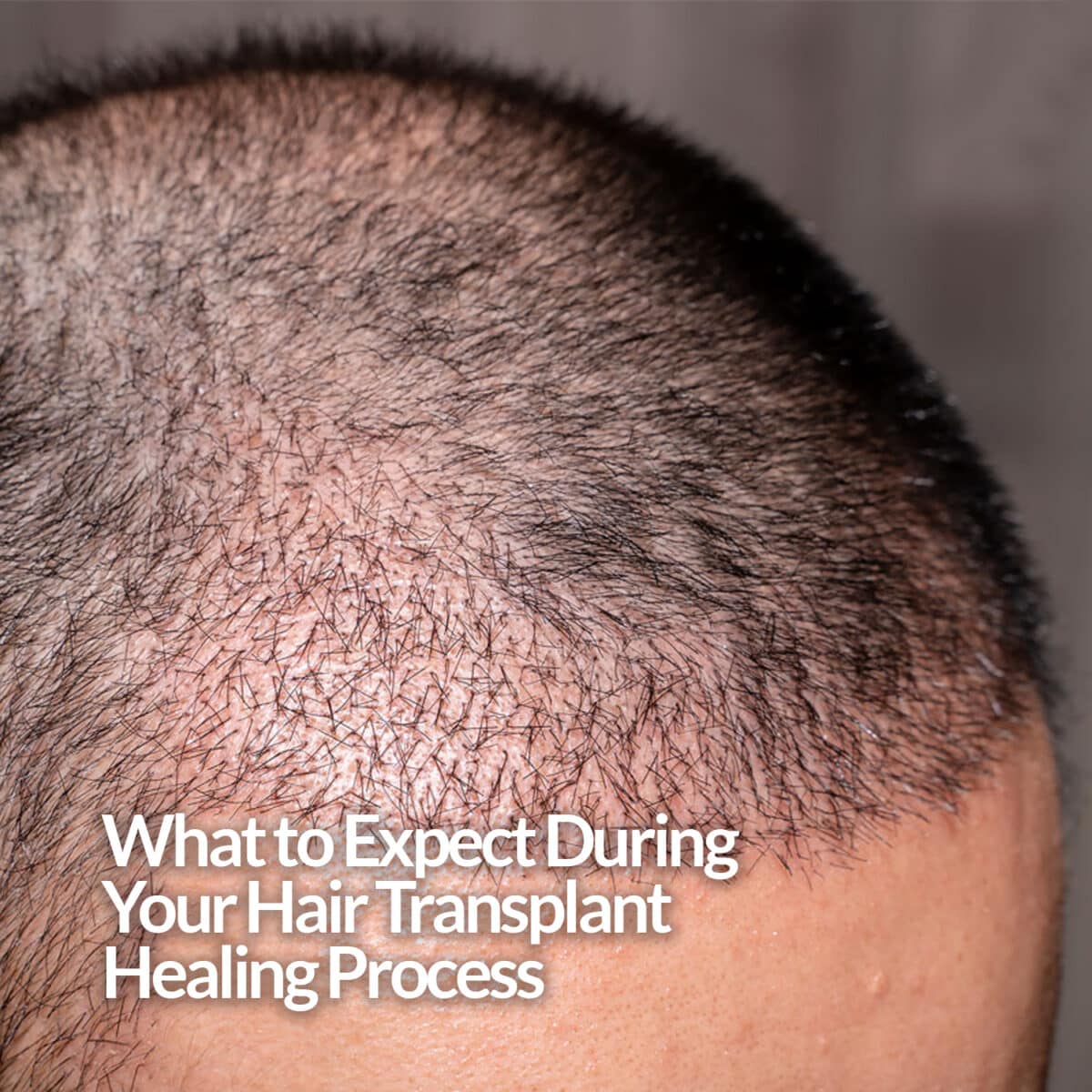
From Surgery to Stunning: What to Expect During Your Hair Transplant Healing Process

Hair transplant surgery can be a transformative procedure, giving individuals the opportunity to restore their hair and, ultimately, their confidence. However, the journey doesn’t end when you leave the clinic. The healing process is a critical part of achieving the best results, and understanding what to expect each step of the way can help you navigate this period with confidence. This guide will provide you with a clear timeline of the recovery stages, along with tips to ensure a successful outcome.

The First Few Days After Surgery

Day 1-3: Post-Surgery Adjustments

Immediately following the procedure, the transplanted area may appear red and swollen, and you might experience some tightness in your scalp. This is completely normal and is your body’s natural response to the procedure. Your surgeon will likely place a bandage around the head, which is usually removed within 24-48 hours after surgery.

During the first three days, you must be particularly careful with the transplanted area. Avoid touching or scratching the scalp to prevent disrupting the grafts. Sleeping with your head elevated can help reduce swelling. You may also be prescribed pain medications or anti-inflammatory drugs to manage any discomfort.

Day 2-4: First Hair Wash

Depending on your doctor’s instructions, you can usually start washing your hair gently after the second or third day. Use a mild shampoo and avoid high water pressure directly on the treated area. Pat your scalp dry gently with a soft towel rather than rubbing. This initial hair wash is crucial for keeping the area clean and free from infection, but it must be done delicately to avoid displacing the grafts.

Week 1: Healing and Scab Formation

By the end of the first week, small scabs will form around the transplanted hair follicles. This is a natural part of the healing process. As the scalp heals, you may feel mild itching or tightness, which is a good sign that the tissue is beginning to repair itself. However, be cautious not to pick at or remove the scabs prematurely, as doing so can impact the overall success of the transplant.

During this week, you should continue to avoid any strenuous activities, such as heavy lifting, exercise, or bending over, as these can increase blood pressure in the scalp and risk dislodging the newly implanted grafts.

Week 2-4: The “Shock Loss” Phase

This is often the most concerning stage for patients but is completely normal and expected. Around two to three weeks post-surgery, you may notice that the transplanted hair is beginning to shed. This phenomenon is known as “shock loss,” and it occurs because the hair follicles enter a resting phase after transplantation.

During this stage, the hair shaft falls out, but the root of the follicle remains intact and will begin producing new hair in the coming months. Although it might feel alarming, shedding is a healthy and necessary part of the process, indicating that the follicles are preparing for new growth.

Months 2-4: Resting and Early Growth

Following the shock loss phase, the transplanted hair follicles will remain in a resting state. During this period, you might not see any visible hair growth, which can be discouraging for some. However, this is a normal part of the process as the follicles prepare to enter the growth phase.

By the end of the third or fourth month, you’ll start to notice new, fine hairs emerging in the treated areas. These new hairs may initially appear thinner and lighter in color, but they will thicken and darken over time. Remember, patience is key during this phase, as full results can take up to a year to become fully visible.

Month 6: Significant Hair Growth

Around the 6-month mark, most patients start to see a noticeable improvement in the density and length of their transplanted hair. The hairs are now thicker, darker, and growing at a more consistent rate. This stage represents about 60-70% of your final results, and the hairline will start to look more natural and full. You can also begin to style your hair as you like and use hair care products without worry.

One Year Post-Transplant: Final Results

By 12 months, the transplanted hair should have grown in fully, blending seamlessly with your existing hair. The hair will continue to mature, thickening even more in texture and length. At this stage, you can enjoy the full benefits of your hair transplant, whether it’s a natural-looking hairline, improved density, or a completely restored look.

Tips for a Smooth Recovery Process

  1. Follow Your Surgeon’s Instructions Closely: Adhere to all post-operative care guidelines provided by your surgeon. This includes washing your hair, taking prescribed medications, and attending follow-up visits.
  2. Avoid Sun Exposure: Protect the treated area from direct sunlight for the first few months, as UV rays can damage the sensitive scalp and affect healing.
  3. Use Mild Shampoos: Stick to gentle hair care products that won’t irritate the scalp.
  4. Stay Hydrated and Maintain a Healthy Diet: Proper nutrition and hydration play a significant role in promoting healing and new hair growth.
  5. Be Patient: Understand that hair growth after a transplant is a gradual process that takes time. Focus on long-term results rather than short-term changes.

Potential Complications and When to Seek Help

While hair transplant surgery is generally safe, there are some potential complications to be aware of. If you experience any of the following symptoms, contact your surgeon immediately:

  • Pain or swelling that doesn’t improve with medication.
  • Bleeding from the treated areas.
  • Signs of infection, such as redness, pus, or a fever.
  • Numbness or tingling that persists beyond a few weeks.

Hair transplant surgery is a long-term investment in your appearance and self-esteem. Knowing what to expect during each stage of the recovery process will help you feel more prepared and empowered. Patience and adherence to your doctor’s instructions are crucial to achieving the best possible outcome. With the right care and guidance, your new hair will grow in healthy, strong, and natural-looking, allowing you to regain both your hair and your confidence.

For more information or to schedule a consultation, follow us on Instagram at @anagen_hair_restoration, call us at (301) 591-6552, or reach out via email at info@anagenhairrestoration.com. Take the first step toward achieving the brows of your dreams!

Categories
NeoGraft Hair Transplant

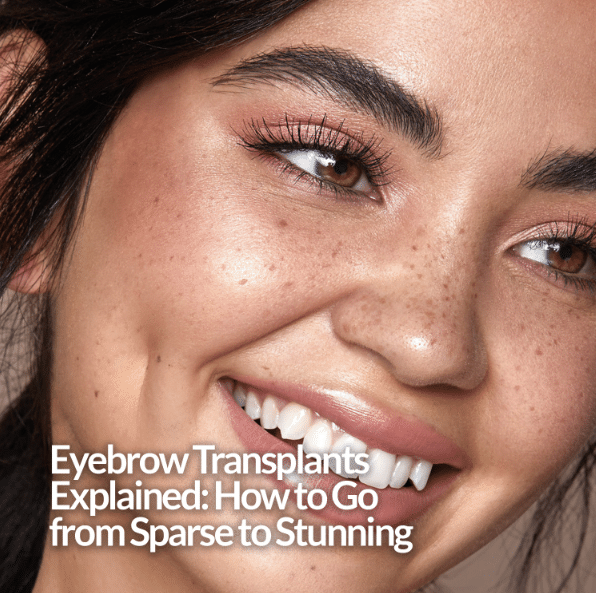
Eyebrow Transplants Explained: How to Go from Sparse to Stunning

Eyebrows play a critical role in framing the face and defining expressions. For many, sparse or thinning eyebrows can impact confidence and appearance. Eyebrow transplants offer a permanent solution by using hair follicles from the scalp to create fuller, more defined brows. This procedure is becoming increasingly popular for men and women looking to achieve their dream brow shape.

What is an Eyebrow Transplant?

An eyebrow transplant is a cosmetic procedure that involves extracting healthy hair follicles, usually from the back of the head, and transplanting them into the brow area. Each follicle is meticulously placed to mimic the natural growth pattern of eyebrow hair, ensuring a natural look. The goal is to create fuller, symmetrical eyebrows that complement the patient’s facial features.

Who Can Benefit from an Eyebrow Transplant?

This procedure is ideal for individuals who:

  • Have naturally thin or sparse brows due to genetics.
  • Suffer from hair loss caused by over-plucking, scarring, or medical conditions.
  • Want to redefine their eyebrow shape or density.

How the Procedure Works

  1. Consultation: A detailed consultation is essential to design the ideal brow shape based on your facial structure.
  2. Extraction: Using the Follicular Unit Extraction (FUE) method, tiny hair follicles are taken from the donor area.
  3. Implantation: Each hair is implanted following a specific direction and angle to mimic natural eyebrow hair.

The entire process takes a few hours and is performed under local anesthesia, making it a comfortable experience for the patient.

What to Expect After the Procedure

Recovery is relatively quick. Patients may experience minor redness and swelling in the treated area, but these effects typically subside within a week. During the initial stages, transplanted hairs might shed, which is a normal part of the process. New hair growth usually starts around 3-4 months, with full results visible after 8-12 months.

Common Concerns and FAQs

  1. Will the transplanted hairs fall out? It’s normal for the newly transplanted hairs to shed within the first few weeks. This shedding phase is temporary, and the new hairs will begin to grow back within a few months.
  2. Do eyebrow transplants leave scars? When performed using the FUE technique, eyebrow transplants leave virtually no visible scars.
  3. Can I shape or trim my new eyebrows? Absolutely! Once the new hair has fully grown in, it can be shaped, trimmed, and styled as desired.

Why Consider an Eyebrow Transplant?

Unlike temporary fixes such as makeup or microblading, eyebrow transplants offer a long-term solution. The hair grows naturally, allowing you to achieve your desired look without the need for constant maintenance. For individuals who have spent years dealing with sparse or over-plucked brows, an eyebrow transplant can be a life-changing solution.

Eyebrow transplants can dramatically enhance your facial features and boost self-confidence by providing fuller, more defined brows that suit your unique style. If you’re considering this transformative procedure, be sure to consult with a qualified hair restoration specialist.

For more information or to schedule a consultation, follow us on Instagram at @anagen_hair_restoration, call us at (301) 591-6552, or reach out via email at info@anagenhairrestoration.com. Take the first step toward achieving the brows of your dreams!