Anagen Hair Restoration

Categories
NeoGraft Hair Transplant

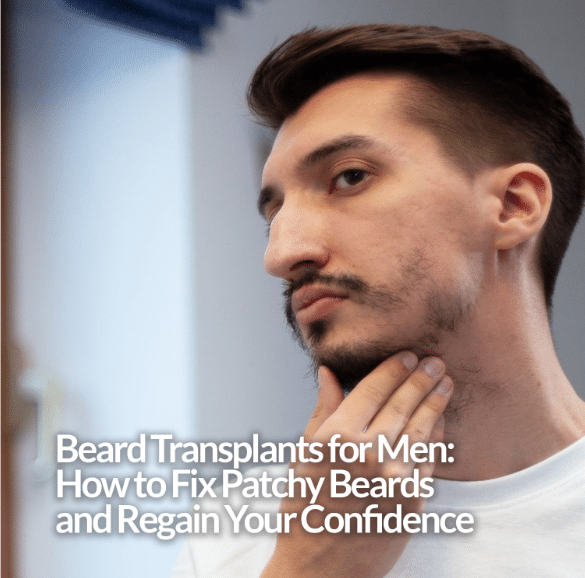
Beard Transplants for Men: How to Fix Patchy Beards and Regain Your Confidence

Understanding Beard Transplants

Beard transplants have become increasingly popular among men looking to achieve fuller, more defined facial hair. The procedure involves transplanting hair follicles from the back of the scalp (or other donor areas) to the beard region, filling in patchy areas and creating a uniform look. It’s a permanent solution for men struggling with uneven or thin beard growth due to genetics, scarring, or hair loss.

The Procedure Explained

During a beard transplant, hair follicles are meticulously extracted using a method called Follicular Unit Extraction (FUE). These grafts are then implanted into the beard area following a pre-designed pattern based on the patient’s desired look. The process typically takes a few hours, and local anesthesia is used to ensure a pain-free experience. Patients can usually expect some redness and minor swelling post-procedure, but recovery is quick, with visible results appearing within a few months.


Benefits of a Beard Transplant

  1. Natural and Permanent Results: The transplanted hair behaves like natural beard hair, allowing you to shave, trim, and style it as desired.
  2. Enhanced Facial Symmetry: A fuller beard can balance facial features and improve overall aesthetics.
  3. Boost in Confidence: For many, achieving their ideal beard helps restore self-esteem and enhances their appearance.

Who is a Good Candidate?

Beard transplants are ideal for men with:

  • Patchy or Uneven Beard Growth: Filling in sparse areas to create a thicker look.
  • Scarring in the Beard Area: Transplants can effectively cover scars from acne or injuries.
  • Desire for a Full Beard: Suitable for men who have never been able to grow a complete beard due to genetics.

Pre-Procedure Preparation

Before undergoing a beard transplant, patients should:

  • Stop Smoking and Avoid Alcohol: To promote better blood circulation and healing.
  • Discuss Medications: Some medications can affect the healing process, so it’s important to review these with your surgeon.
  • Set Realistic Expectations: Understanding the healing timeline and final results is key to a positive experience.

Recovery and Aftercare

After the procedure, patients should avoid touching or scratching the transplanted area for the first few days. Minor swelling and redness are normal and usually subside within a week. It’s also recommended to avoid strenuous activities that could cause sweating. Patients may see shedding of transplanted hairs within the first month, which is part of the natural growth cycle. Full results are typically visible after 6 to 12 months, when the new hair begins to grow in the desired areas.

Common Myths About Beard Transplants

  1. “It’s Painful”: The procedure is performed under local anesthesia, making it virtually pain-free.
  2. “It Doesn’t Look Natural”: When done by a skilled surgeon, the results are undetectable.
  3. “Transplanted Hair Will Fall Out”: Initial shedding is normal, but the hair regrows permanently.

How to Choose the Right Clinic?

Choosing an experienced and reputable clinic is crucial for achieving optimal results. Look for clinics that offer detailed consultations, showcase before-and-after photos, and have a solid track record in hair and beard transplants.

For more information or to schedule a consultation, follow us on Instagram at @anagen_hair_restoration, call us at (301) 591-6552, or reach out via email at info@anagenhairrestoration.com. Let us help you achieve the beard of your dreams!

Categories
NeoGraft Hair Transplant

Prepare Like a Pro: Essential Tips for a Successful Hair Transplant Journey

The Importance of Preparation in Hair Restoration

A successful hair transplant goes beyond choosing the right procedure or surgeon; it starts with comprehensive preparation. Proper planning ensures a smoother process, minimizes risks, and optimizes the final results. This guide covers key steps to help you prepare like a pro, both physically and mentally, for a hair restoration procedure.

Consultations: The First Step

Begin your journey by scheduling consultations with reputable clinics to discuss your goals and expectations. Understand the different hair transplant methods, such as FUE and FUT, and which suits your needs. Ask questions about the surgeon’s experience, the recovery process, and the potential risks.

Key Questions to Ask During Your Consultation:

  1. What are the success rates for your recommended procedure?
  2. What is the expected timeline for recovery?
  3. Are there pre-operative tests or evaluations I need?

Preparing Physically for Surgery

  • Stop Smoking and Alcohol: At least two weeks before surgery, avoid smoking and alcohol, as these can impair healing.
  • Avoid Blood Thinners: Medications like aspirin should be discontinued to reduce the risk of bleeding.
  • Follow Pre-Surgery Instructions: Your clinic will provide personalized guidelines, including diet and hydration recommendations.
  • Hair Care Routine: Avoid using any hair products like gel or mousse before the procedure to keep the scalp clean.

Lifestyle Adjustments for Optimal Results

  1. Focus on Nutrition: A diet rich in vitamins A, C, D, and E, along with proteins and Omega-3 fatty acids, promotes hair health and recovery.
  2. Stay Hydrated: Drink plenty of water to maintain scalp health.
  3. Exercise Moderation: Intense physical activity should be limited before and after surgery to avoid undue stress on the scalp.

The Mental Side of Preparation

Being mentally prepared is just as important. Hair transplants can be an emotional journey, especially as the results take time to become fully visible. Managing expectations and staying patient throughout the healing period are key.

Tips for Mental Readiness:

  • Set Realistic Expectations: Understand that results may take 6-12 months to fully develop.
  • Trust the Process: There may be stages where shedding and slow regrowth occur, which are completely normal.
  • Communicate with Your Surgeon: Open dialogue can alleviate concerns and keep you informed.

What to Expect on Surgery Day

On the day of your procedure, wear comfortable clothing and have a light meal. Ensure that you arrange for transportation, as you may not be able to drive yourself home after the procedure. Prepare for a day-long procedure, depending on the number of grafts being transplanted.

Post-Surgery Care for Best Outcomes

  • Protect the Treated Area: Avoid direct sunlight and touching the grafts to prevent damage.
  • Follow Medication Guidelines: Use prescribed medications, such as antibiotics or anti-inflammatories, as directed.
  • Keep the Scalp Clean: Gentle washing as recommended by your surgeon helps prevent infection and supports healing.

Long-Term Care Tips for Hair Health

Your hair transplant results depend on consistent aftercare and maintenance. Follow a hair care routine that promotes scalp health, including mild shampoos and avoiding harsh chemicals. Consider ongoing treatments like PRP (Platelet-Rich Plasma) therapy to boost growth and density.

The Final Word

Proper preparation is crucial for a successful hair transplant. By taking the time to research, adjusting your lifestyle, and preparing both physically and mentally, you set yourself up for achieving the best possible results.

For more details and to start your hair restoration journey, follow us on Instagram at @anagen_hair_restoration, call us at (301) 591-6552, or email us at info@anagenhairrestoration.com. Let’s get you on the path to your dream look!

Categories
NeoGraft Hair Transplant

NeoGraft Technology Revealed: How It’s Revolutionizing Hair Restoration

The Evolution of Hair Restoration: Why NeoGraft Stands Out

Hair restoration has come a long way from traditional methods like Follicular Unit Transplantation (FUT) and manual Follicular Unit Extraction (FUE). While these techniques laid the foundation, NeoGraft takes hair restoration to the next level by automating key parts of the FUE procedure. This innovation minimizes scalp trauma and ensures precise, natural-looking results.

The Science Behind NeoGraft: How It Works

NeoGraft is based on the principles of FUE but enhances the process by introducing automation. The system uses pneumatic (air) pressure to extract and implant hair follicles, reducing the potential for manual errors and preserving follicle health. With NeoGraft, hair is placed at the optimal angle and depth, replicating natural growth patterns to deliver seamless results.

NeoGraft Benefits: A Game-Changer in Hair Transplants

  • Automated Follicle Handling: Automation ensures consistency and reduces the risk of human error.
  • Minimized Scalp Trauma: The pneumatic technique minimizes damage, unlike traditional methods that can cause scalp trauma during extraction.
  • Quicker Recovery: Patients experience less discomfort and recover faster, allowing them to return to normal activities sooner.
  • Higher Success Rate: Reduced manual handling preserves graft integrity, leading to more successful hair growth and fuller results.

Comparing NeoGraft to Other Methods

While both FUT and manual FUE have their advantages, NeoGraft stands out due to its automation. FUT, which involves removing a strip of scalp, often results in a visible linear scar and requires longer recovery time. Manual FUE is scar-free but can be time-consuming and heavily reliant on the surgeon’s skill. NeoGraft’s automated system reduces extraction time, improves accuracy, and minimizes scalp trauma, making it a preferred choice for both patients and surgeons.

Who Should Consider NeoGraft?

NeoGraft is ideal for individuals looking for a minimally invasive procedure with precise results. Whether you are in the early stages of hair thinning or require extensive restoration, NeoGraft offers flexibility. It’s especially suited for patients who:

  • Want to avoid visible scarring.
  • Prefer quicker recovery times.
  • Are seeking a natural look with perfectly aligned hair growth.

Recovery Expectations and Results

One of NeoGraft’s standout features is its shorter recovery period. After the procedure, patients may experience mild redness or swelling, but most can resume normal activities within just a few days. Optimal results typically begin to appear after 6 to 12 months, depending on individual hair growth cycles.

The Future of Hair Restoration

As technology continues to advance, NeoGraft represents a major leap forward in hair restoration. The automation of delicate steps ensures a safer, more efficient procedure with natural-looking results and minimal downtime. NeoGraft is setting a new standard in the field, making it easier than ever to achieve the hairline you’ve always dreamed of.

For more details on how NeoGraft can transform your look, follow us on Instagram @anagen_hair_restoration, call us at (301) 591-6552, or email info@anagenhairrestoration.com. Let’s help you achieve the hairline you’ve always wanted!

Categories
NeoGraft Hair Transplant

FUE vs. FUT: Unlock the Perfect Hair Transplant Solution for Your Dream Look

Choosing the right hair transplant method is crucial for achieving your desired look. Among the top options, Follicular Unit Extraction (FUE) and Follicular Unit Transplantation (FUT) stand out as effective solutions for hair restoration. Understanding the differences between these techniques will help you determine the best option for your needs. In this blog, we’ll break down each method, their benefits, and how to decide which one suits you best.

What is FUE?

Follicular Unit Extraction (FUE) involves harvesting individual hair follicles from the donor area and transplanting them into the thinning or balding regions of the scalp. This minimally invasive technique requires precise extraction using a micro-punch tool. FUE is popular for its ability to avoid linear scars, making it ideal for patients who prefer short hairstyles.

Key Advantages of FUE:

  1. No Linear Scarring: FUE results in small, dot-like scars, which are less noticeable and suitable for short haircuts.
  2. Quicker Recovery Time: Patients often experience a faster recovery due to the less invasive nature of the procedure.
  3. Flexibility for Small and Large Procedures: FUE is highly versatile and suitable for various hair restoration needs.

Drawbacks:

  • It can be time-consuming for larger sessions due to the individual follicle extraction.
  • Potential for a higher cost due to the precision and time required.

What is FUT?

Follicular Unit Transplantation (FUT), also known as the “strip method,” involves removing a thin strip of scalp from the donor area, from which follicular units are extracted and transplanted into the balding regions. This method typically allows for the transplantation of a higher number of grafts in a single session, making it a preferred choice for patients needing extensive hair coverage.

Key Advantages of FUT:

  1. Higher Graft Yield: FUT can provide a larger number of grafts in a single session, making it ideal for advanced hair loss cases.
  2. Lower Cost Per Graft: Due to the efficiency of the technique, the cost per graft is often lower compared to FUE.
  3. Shorter Procedure Time: The strip method allows for quicker extraction, reducing the total time needed for surgery.

Drawbacks:

  • Linear Scar: A visible linear scar may be present in the donor area, which could be a concern for those who prefer shorter hairstyles.
  • Longer Recovery Time: Recovery can take slightly longer due to the incision required to remove the donor strip.

FUE vs. FUT: Which is Right for You?

The decision between FUE and FUT often depends on factors such as the extent of your hair loss, desired results, and lifestyle. Here are some considerations to help guide your choice:

  1. Scarring and Hairstyle Preference:
    • If you prefer a shorter hairstyle and want to avoid visible scarring, FUE might be the better option due to its minimal scarring.
    • For those comfortable with a slightly longer recovery time and a linear scar that can be concealed, FUT may offer the coverage you need.
  2. Number of Grafts Needed:
    • FUT is more efficient for patients needing a higher number of grafts in one session.
    • FUE is ideal for smaller sessions or those wanting gradual hair restoration.
  3. Budget Considerations:
    • FUT generally has a lower cost per graft, making it more cost-effective for larger procedures.
    • FUE, while more expensive, offers benefits like quicker recovery and less visible scarring, which may justify the investment.

The Hybrid Approach: Combining FUE and FUT

In some cases, combining FUE and FUT can yield optimal results. By utilizing both techniques, surgeons can maximize graft yield and donor area utilization, achieving greater coverage and density for advanced hair loss. This approach requires careful planning but can produce exceptional results for patients with varying hair restoration needs.

What to Expect During and After the Procedure?

Regardless of the method chosen, patients should anticipate a detailed consultation, pre-operative planning, and a clear understanding of the post-operative care required. After the procedure, mild discomfort, swelling, and redness are normal. With both FUE and FUT, following the surgeon’s post-op instructions will ensure a smooth recovery and optimal results.

Both FUE and FUT offer unique advantages, and the choice ultimately depends on your specific hair restoration goals and lifestyle preferences. Consulting with a qualified hair restoration specialist is the best way to determine the right solution for your dream look.

For more information, follow us on Instagram @anagen_hair_restoration, call us at (301) 591-6552, or email us at info@anagenhairrestoration.com. Let us help you unlock your perfect hair restoration solution!

Categories
NeoGraft Hair Transplant

How to Groom Your Beard Like a Pro: Tips and Techniques for the Modern Man

Grooming your beard isn’t just about maintaining a neat appearance; it’s an essential aspect of personal style and self-care. Whether you’re aiming for a full, bushy beard or a well-defined stubble, knowing how to properly care for and shape your facial hair can make all the difference. In this guide, we’ll walk you through the steps of grooming your beard, from selecting the right tools to maintaining the perfect shape. We’ll also cover common mistakes to avoid and how to keep your beard healthy and looking its best.

1. Understanding Your Beard Type

Before diving into the grooming process, it’s important to understand your beard type. Just like the hair on your head, beards come in various textures and thicknesses. Some men have coarse, curly beards, while others might have fine, straight hair. Knowing your beard type will help you choose the right products and tools.

Identifying Your Beard Type:

  • Straight Beards: These beards tend to lay flat against the face and are easier to manage. They work well with most grooming products.
  • Wavy Beards: These have a slight curl and can be prone to frizz if not properly moisturized.
  • Curly Beards: Thick and curly beards require more maintenance, including regular trimming and conditioning to avoid tangling and dryness.

Understanding your beard’s natural growth pattern and texture is crucial for effective grooming and selecting the right products.

2. Choosing the Right Tools

The tools you use are fundamental to achieving a well-groomed beard. Investing in quality tools not only makes the grooming process easier but also helps in maintaining the health of your facial hair.

Essential Tools for Beard Grooming:

  • Beard Trimmer: A good trimmer with adjustable settings is essential for keeping your beard at the desired length.
  • Scissors: Use sharp, small scissors for precise trimming, especially around the mustache and chin areas.
  • Beard Comb or Brush: A comb is great for detangling, while a brush helps distribute natural oils throughout the beard, making it look fuller and healthier.
  • Razor: For maintaining clean lines around the edges of your beard and ensuring a neat finish.

Tip: Always keep your tools clean and sharp to avoid tugging at the hair, which can cause split ends and irritation.

3. Washing and Conditioning Your Beard

Just like the hair on your head, your beard needs regular washing and conditioning. Facial hair is exposed to dirt, food particles, and environmental pollutants daily, which can lead to buildup and an unkempt appearance.

Steps for Washing Your Beard:

  1. Choose the Right Beard Shampoo: Use a beard-specific shampoo, as regular hair shampoos can be too harsh and strip away the natural oils needed for a healthy beard.
  2. Apply and Massage: Wet your beard with warm water and apply a small amount of shampoo. Massage it thoroughly into your beard and skin to remove dirt and excess oil.
  3. Rinse and Condition: After rinsing, apply a beard conditioner to soften the hair and prevent dryness. Leave it on for a few minutes before rinsing with cool water to seal the cuticles.

Tip: Wash your beard 2-3 times a week to maintain cleanliness without drying it out. Overwashing can strip natural oils, leading to a dry and brittle beard.

4. Trimming and Shaping Your Beard

Regular trimming is essential to maintain your beard’s shape and prevent split ends. Whether you prefer a clean-cut look or a more rugged style, trimming is a key step in beard maintenance.

How to Trim Your Beard:

  1. Decide on the Length: Determine the length you want to maintain. Use a beard trimmer with the appropriate guard setting to ensure an even trim.
  2. Start with the Sides: Begin trimming from the sides and work your way to the chin. Follow the natural line of your jaw for a symmetrical look.
  3. Shape the Neckline: A well-defined neckline is crucial. Trim the hair below your Adam’s apple to create a clean line. Use a razor to remove any stray hairs.
  4. Tackle the Mustache: Use scissors to trim the mustache, keeping it neat above the lip line. Comb it down and trim any overhanging hairs.

Tip: Always trim your beard when it’s dry, as wet hair appears longer and can result in trimming too much.

5. Moisturizing and Styling

Keeping your beard moisturized is essential to prevent dryness, itching, and flakiness. Proper moisturizing also helps in maintaining a soft texture and a well-groomed appearance.

Steps for Moisturizing and Styling:

  1. Apply Beard Oil: After washing and drying your beard, apply a few drops of beard oil. It nourishes the hair and skin underneath, preventing dryness and irritation.
  2. Use Beard Balm: For added control and styling, apply a beard balm. It helps tame flyaways and gives your beard a fuller, more defined look.
  3. Brush or Comb: Use a beard brush or comb to evenly distribute the product and style your beard. This also helps in detangling and training your beard to grow in the desired direction.

Tip: Choose products with natural ingredients like jojoba oil, argan oil, and shea butter, which are gentle on the skin and effective for beard care.

6. Maintaining Healthy Beard Growth

A healthy beard starts from within. Ensuring proper nutrition and hydration can significantly impact the growth and quality of your beard.

Tips for Promoting Healthy Beard Growth:

  • Balanced Diet: Include foods rich in vitamins and minerals like Vitamin B, C, D, zinc, and biotin. These nutrients support healthy hair growth.
  • Stay Hydrated: Drink plenty of water to keep your skin and hair hydrated. Dehydration can lead to a dry and brittle beard.
  • Exercise Regularly: Physical activity improves blood circulation, which helps in delivering essential nutrients to the hair follicles.

Tip: Consider taking a daily multivitamin or a beard growth supplement if you’re struggling with patchy or slow-growing facial hair.

7. Common Beard Grooming Mistakes to Avoid

Even seasoned beard growers can fall into bad habits. Here are some common mistakes to watch out for:

  • Over-Trimming: It’s easy to go overboard with trimming. Less is often more, so take it slow and make small adjustments.
  • Ignoring the Skin: The skin underneath your beard needs attention too. Regular exfoliation and moisturizing can prevent dryness and flakiness.
  • Using the Wrong Products: Not all hair products are suitable for beards. Stick to beard-specific products to avoid irritation and dryness.

Tip: Regularly assess your beard care routine and make adjustments based on how your beard looks and feels.

8. Professional Beard Care

If you’re looking for a more polished look or struggling to shape your beard, consider visiting a professional barber. A barber can provide expert advice on the best style for your face shape and offer tips on maintaining your beard at home.

Why Visit a Professional:

  • Precision: Barbers are skilled in creating sharp lines and symmetrical shapes, giving you a clean, professional appearance.
  • Customization: They can recommend products and techniques tailored to your specific beard type and growth pattern.
  • Maintenance: Regular visits help keep your beard in top condition, ensuring that it remains healthy and well-groomed.

A well-groomed beard is a powerful expression of your personal style. With the right tools, techniques, and care, you can maintain a beard that not only looks great but also feels comfortable and healthy.

For those looking to take their grooming to the next level, Anagen Hair Restoration offers specialized services, including beard transplants and treatments to enhance beard density and growth. Schedule a consultation with Anagen Hair Restoration today. Contact us at +1 301-591-6552 or Follow us on Instagram for the latest updates and success stories.

Categories
NeoGraft Hair Transplant

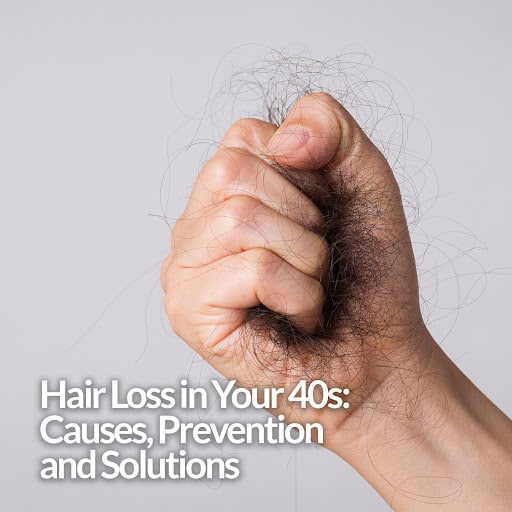
Understanding Hair Loss in Your 40s: Causes, Prevention, and Solutions

Entering your 40s is often a time of reflection and change, both personally and physically. Among the physical changes, one of the most distressing can be the noticeable thinning or loss of hair. While hair loss can occur at any age, it tends to become more prominent as we age, especially during the 40s. This period marks a significant transition in the body’s overall health, and understanding the causes and solutions to hair loss at this stage can help in managing it effectively.

Why Does Hair Loss Increase in Your 40s?
Hair loss in your 40s is not uncommon, and it can be attributed to a combination of factors, including genetics, hormonal changes, and lifestyle habits. By understanding these underlying causes, you can take proactive steps to manage and potentially reverse hair loss.

1. Hormonal Changes and Their Impact on Hair
One of the primary causes of hair loss in your 40s is hormonal changes. For women, this can be linked to perimenopause and menopause, where the production of estrogen and progesterone declines. These hormones play a crucial role in hair growth, and their decrease can lead to thinner hair or increased shedding.

Men, on the other hand, experience a gradual decrease in testosterone levels, which can lead to male pattern baldness. This type of hair loss is often hereditary and can start as early as the 20s but becomes more noticeable in the 40s.

Solution:
To combat hormone-related hair loss, it’s important to consult with a healthcare provider who can assess hormone levels and suggest treatments such as hormone replacement therapy (HRT) for women or other medical interventions for men. Additionally, maintaining a healthy diet rich in vitamins and minerals that support hair health can help mitigate these effects.

2. Genetic Predisposition
Genetics play a significant role in determining when and how much hair loss you will experience. If your parents or grandparents had significant hair loss in their 40s, there’s a good chance you may experience the same. This type of hair loss, known as androgenetic alopecia, is the most common cause of hair loss in both men and women.

Solution:
While you can’t change your genetic makeup, early intervention can help slow down the process. Topical treatments like minoxidil or oral medications like finasteride can be effective in managing genetic hair loss. Consulting a dermatologist or a hair specialist can help determine the best course of action based on your specific needs.

3. Stress and Its Effects on Hair Health

Stress is a well-known trigger for hair loss, particularly in your 40s when life’s pressures can accumulate. High levels of stress can lead to a condition called telogen effluvium, where hair follicles enter the resting phase prematurely, leading to increased shedding.

Solution:
Managing stress is crucial for maintaining overall health, including the health of your hair. Techniques such as yoga, meditation, regular physical activity, and ensuring adequate sleep can help reduce stress levels. In severe cases, a healthcare provider may recommend therapy or medication to help manage chronic stress.

4. Nutritional Deficiencies
As you age, your body’s ability to absorb nutrients efficiently can decline, leading to deficiencies that affect hair health. Essential vitamins and minerals such as iron, vitamin D, biotin, and zinc are crucial for hair growth and strength. A deficiency in any of these can lead to hair thinning or loss.

Solution:
Ensuring a balanced diet that includes plenty of fruits, vegetables, lean proteins, and whole grains is essential. In some cases, dietary supplements may be necessary to address specific deficiencies. However, it’s important to consult with a healthcare provider before starting any new supplement regimen.

5. Medical Conditions and Medications
Certain medical conditions that become more common in your 40s, such as thyroid disorders, autoimmune diseases, and diabetes, can contribute to hair loss. Additionally, medications for conditions like high blood pressure, depression, and cholesterol can have side effects that include hair thinning or loss.

Solution:
If you suspect that a medical condition or medication is contributing to your hair loss, it’s important to speak with your healthcare provider. They may adjust your medication or explore alternative treatments that do not compromise hair health. Regular check-ups and blood tests can help catch and address these issues early.

6. Hair Care Practices
The way you care for your hair in your 40s can also impact its health and longevity. Overuse of heat styling tools, chemical treatments, and tight hairstyles can weaken hair and lead to breakage and loss over time.

Solution:
Adopting gentler hair care practices is key to maintaining hair health. This includes reducing the use of heat tools, choosing sulfate-free shampoos, and avoiding hairstyles that pull tightly on the hair. Regular conditioning treatments and scalp massages can also promote healthier hair growth by improving blood circulation to the hair follicles.

7. Environmental Factors
Environmental factors, such as exposure to pollution, harsh weather conditions, and UV radiation, can contribute to hair damage and loss, particularly as you age. These factors can weaken the hair shaft and lead to breakage, dryness, and thinning.

Solution:
Protecting your hair from environmental damage is essential. Wearing hats or using UV-protectant sprays can shield your hair from the sun’s harmful rays. Additionally, washing your hair regularly to remove pollutants and using moisturizing hair products can help maintain hair health.

Preventing and treating hair loss in your 40s requires a multifaceted approach that addresses both internal and external factors. Here are some strategies to consider:

  • Consult a Specialist: Seeking the advice of a dermatologist or a trichologist (a hair and scalp specialist) can help you understand the specific causes of your hair loss and explore treatment options tailored to your needs.
  • Consider Medical Treatments: For those experiencing significant hair loss, medical treatments such as minoxidil, finasteride, or PRP (platelet-rich plasma) therapy can be effective in promoting hair regrowth.
  • Embrace a Healthy Lifestyle: Regular exercise, a balanced diet, and proper stress management are crucial for overall health and can positively impact hair health.
  • Use Targeted Hair Products: Look for hair care products formulated to strengthen and nourish hair, such as shampoos and conditioners containing biotin, keratin, and other hair-strengthening ingredients.
  • Regular Scalp Care: A healthy scalp is the foundation for healthy hair. Regular scalp massages, exfoliation, and the use of scalp treatments can promote blood circulation and create an optimal environment for hair growth.

Hair loss in your 40s can be a challenging experience, but it’s important to remember that you’re not alone. Understanding the causes and taking proactive steps to manage hair loss can make a significant difference. Whether through lifestyle changes, medical treatments, or seeking professional advice, there are ways to address hair loss and maintain healthy, vibrant hair as you age.

Schedule a consultation with Anagen Hair Restoration today. Contact us at +1 301-591-6552 or Follow us on Instagram for the latest updates and success stories.

Categories
NeoGraft Hair Transplant

Why Are Your Eyebrows and Eyelashes Falling Out? Understanding the Causes and Solutions

Eyebrows and eyelashes are not only important for framing your face but also play a crucial role in protecting your eyes from dust, sweat, and other external factors. However, it can be alarming to notice that these essential facial features are thinning or falling out. While occasional shedding is normal, excessive loss can indicate underlying health issues or lifestyle factors that need attention. In this blog, we’ll explore the common causes of eyebrow and eyelash loss, as well as some effective solutions to help you restore their health and fullness.


Understanding the Natural Growth Cycle

Just like the hair on your scalp, your eyebrows and eyelashes go through a natural growth cycle consisting of three phases: anagen (growth), catagen (transition), and telogen (resting). Each hair follicle operates independently, meaning that while some hairs are growing, others may be in the resting phase or falling out. Normally, you may lose a few eyebrow hairs or eyelashes daily, but when the shedding becomes noticeable or rapid, it’s time to investigate further.


Common Causes of Eyebrow and Eyelash Loss

  1. Hormonal Imbalances: Hormones play a significant role in hair growth, and any imbalance can disrupt the natural cycle. Conditions such as hypothyroidism or hyperthyroidism, where the thyroid gland doesn’t function properly, can lead to thinning hair, including eyebrows and eyelashes. Similarly, changes in hormone levels during pregnancy, menopause, or due to the use of birth control pills can also affect hair growth.

Solution: If you suspect hormonal imbalances are the cause of your hair loss, it’s important to consult a healthcare provider for proper diagnosis and treatment. Restoring hormonal balance can often help in regrowing lost hair.

  1. Nutritional Deficiencies: Your diet has a direct impact on the health of your hair. Deficiencies in essential nutrients such as vitamins A, C, D, E, and B-complex (especially biotin), as well as minerals like iron and zinc, can lead to weak hair follicles and increased hair loss. Eyebrows and eyelashes are particularly sensitive to nutritional changes, and a lack of these vital nutrients can slow down their growth or cause them to fall out prematurely.

Solution: Incorporate a balanced diet rich in fruits, vegetables, lean proteins, and whole grains. Consider taking supplements if necessary, but consult with a healthcare provider first to ensure they are appropriate for your needs.

  1. Stress and Anxiety: Chronic stress can trigger a condition called telogen effluvium, where a large number of hair follicles enter the resting phase simultaneously, leading to significant hair loss. Eyebrows and eyelashes are not immune to this, and excessive stress can cause noticeable thinning.

Solution: Managing stress through activities like meditation, yoga, exercise, or talking to a therapist can help reduce hair loss. Ensuring you get adequate sleep and practicing relaxation techniques can also be beneficial.

  1. Skin Conditions: Certain skin conditions such as eczema, psoriasis, or dermatitis can inflame the skin around the eyebrows and eyelashes, leading to hair loss. These conditions cause the skin to become dry, itchy, and irritated, making it difficult for hair to grow properly.

Solution: Treating the underlying skin condition is crucial to stopping further hair loss. A dermatologist can recommend topical treatments, medications, or lifestyle changes to manage the condition and promote hair regrowth.

  1. Alopecia Areata: Alopecia areata is an autoimmune disorder where the body’s immune system attacks hair follicles, leading to hair loss. It can affect any part of the body, including the scalp, eyebrows, and eyelashes. The condition can cause small, round patches of hair loss or even complete loss of hair in the affected area.

Solution: While there is no cure for alopecia areata, treatments such as corticosteroid injections, topical immunotherapy, and other medications can help manage symptoms and stimulate hair regrowth. Consulting with a healthcare provider or dermatologist is essential for an effective treatment plan.

  1. Over-Plucking or Overuse of Makeup: Excessive plucking of eyebrows or the frequent use of makeup, particularly waterproof mascara and eyebrow pencils, can damage the hair follicles, leading to thinning or loss of eyebrows and eyelashes. Harsh makeup removers can also contribute to hair loss by causing breakage.

Solution: To prevent further damage, avoid over-plucking and be gentle when applying and removing makeup. Consider using nourishing products like eyebrow serums and eyelash conditioners to strengthen the hair. Also, give your eyebrows and eyelashes a break from makeup occasionally to allow them to recover.

  1. Medical Treatments and Medications: Certain medical treatments, such as chemotherapy or radiation, and medications for conditions like depression, heart disease, or acne, can cause hair loss as a side effect. This can affect not just the scalp but also the eyebrows and eyelashes.

Solution: If you suspect that a medication is causing your hair loss, talk to your healthcare provider. They may adjust your dosage or recommend an alternative treatment. In many cases, hair regrowth will occur once the treatment is completed or the medication is discontinued.

  1. Aging: As we age, our hair naturally thins, and this includes the eyebrows and eyelashes. The growth cycle of hair slows down with age, and the hair may become finer and more prone to falling out.

Solution: While aging is a natural process, you can still maintain healthy hair by following a nutrient-rich diet, using gentle hair care products, and avoiding harsh treatments. Eyebrow and eyelash serums designed to promote hair growth can also be effective in maintaining fullness.

Effective Solutions to Promote Eyebrow and Eyelash Growth

To combat eyebrow and eyelash loss, it’s important to address the underlying causes and consider incorporating some of the following solutions:

Use Eyebrow and Eyelash Serums: There are many over-the-counter serums formulated to promote the growth of eyebrows and eyelashes. Look for products containing peptides, biotin, and hyaluronic acid to nourish and strengthen the hair.

  Consider Professional Treatments: Microneedling, PRP (platelet-rich plasma) therapy, and low-level laser therapy are professional treatments that can stimulate hair growth and improve the health of hair follicles.

  Maintain a Healthy Lifestyle: Regular exercise, adequate sleep, and stress management are all essential for overall health and can positively impact hair growth.

Consult a Specialist: If you’re experiencing significant hair loss in your eyebrows or eyelashes, it’s advisable to consult a dermatologist or a hair restoration specialist to explore potential treatments and solutions tailored to your specific condition.

Experiencing eyebrow and eyelash loss can be distressing, but with the right approach, you can address the root causes and take steps to restore their health and fullness.

Schedule a consultation with Anagen Hair Restoration today. Contact us at +1 301-591-6552 or Follow us on Instagram for the latest updates and success stories.

 

Categories
NeoGraft Hair Transplant

What Nutrients Might Be Missing in Your Diet if You’re Experiencing Hair Loss?

Hair loss is a common concern that can stem from various factors, including stress, aging, and hormonal imbalances. However, a significant and often overlooked factor is the deficiency of essential nutrients. Vitamins and minerals play a crucial role in hair health, and their absence can lead to thinning and excessive hair loss. In this blog, we will explore the key vitamins and minerals vital for maintaining healthy hair and the signs that may indicate your body lacks them.

  1. Vitamin A: Vitamin A is crucial for cell growth, including the cells in your scalp and hair. It also helps the skin glands produce sebum, which moisturizes the scalp and keeps hair healthy. Without enough sebum, the scalp can become dry, leading to brittle hair and hair loss.

Dry skin, night vision problems, and a higher susceptibility to infections are common symptoms of Vitamin A Deficiency. If you experience these along with hair loss, your diet might be lacking in Vitamin A.

Sources of Vitamin A: Increase your intake of foods like carrots, spinach, sweet potatoes, and bell peppers. Liver, eggs, and dairy products are also good sources.


  1. Biotin (Vitamin B7): Alsoo known as Vitamin B7, is perhaps the most well-known vitamin associated with hair health. It plays a key role in the enzymes that break down proteins, including keratin, the primary component of hair.

Hair loss, skin rashes, brittle nails, and nerve problems may indicate a biotin deficiency. Although rare, this deficiency can occur due to prolonged antibiotic use or a highly nutrient-deficient diet.

Sources of Biotin: Biotin can be found in foods like eggs, nuts, seeds, salmon, and avocado. Supplements are also available, but it’s essential to consult a healthcare provider before starting any new supplement.


  1. Vitamin C: Essential for Collagen Production

Vitamin C is a powerful antioxidant that protects the body from damage caused by free radicals. It’s also vital for the production of collagen, a protein crucial for hair structure.

A deficiency of Vitamin C can lead to fragile hair that is more prone to breakage, which may appear as hair loss. Vitamin C also enhances the absorption of iron, another key nutrient for hair growth.

Sources of Vitamin C: Incorporate foods rich in Vitamin C such as citrus fruits, strawberries, bell peppers, kiwi, and papaya into your daily diet. These foods will help keep your hair strong and support your immune system.


  1. Vitamin D: The Sunshine Vitamin for Hair Growth

Vitamin D is known for its role in bone health, but it’s also crucial for hair health. It helps create new hair follicles, small pores in the scalp where new hair can grow.

Vitamin D deficiency has been linked to alopecia, a medical term for excessive hair loss. Lack of sun exposure, poor diet, and certain health conditions can contribute to this deficiency.

Sources of Vitamin D: Sun exposure is the most natural source of Vitamin D, but you can also get it from foods like fatty fish (salmon, tuna, mackerel), egg yolks, beef liver, and fortified foods like milk and cereals.


  1. Iron: Essential for Preventing Hair Loss

Iron is crucial for producing hemoglobin, which carries oxygen to the cells throughout the body, including hair follicles. Without enough iron, hair follicles may not get the oxygen they need to grow, leading to hair loss.

Iron-deficiency anemia is a common cause of hair loss, especially in women. Symptoms include extreme fatigue, pale skin, weakness, and frequent headaches.

Sources of Iron: Boost your iron levels by consuming red meat, poultry, turkey, beans, lentils, spinach, and fortified cereals. Pair these with Vitamin C-rich foods to improve iron absorption.


  1. Zinc: Important for Hair Repair and Growth

Zinc plays a vital role in tissue repair and hair growth. It also helps maintain the proper functioning of the oil glands around hair follicles.

A lack of zinc can lead to hair loss, slow wound healing, a weakened immune system, and white spots on the nails.

Sources of Zinc: Zinc is found in foods like meat, shellfish, beans, nuts, seeds, and dairy products. Supplementation is an option, but it’s important to consult a healthcare provider first.

Maintaining a balanced, nutrient-rich diet is essential for healthy hair. If you notice significant hair loss, review your diet and consider whether you may be lacking any of these key nutrients. Besides a healthy diet, managing stress, staying hydrated, and avoiding excessive use of hair products can also help maintain strong, healthy hair. If hair loss persists, consult a doctor or dermatologist to rule out underlying health issues.

Schedule a consultation with Anagen Hair Restoration today. Contact us at +1 301-591-6552 or Follow us on Instagram for the latest updates and success stories.
Categories
NeoGraft Hair Transplant

Invest in Yourself: How a Hair Transplant Today Pays Off for Years to Come

In a world where appearances can significantly impact personal and professional success, investing in oneself has never been more important. Among various self-improvement methods, hair transplantation stands out as a transformative procedure that can boost confidence and enhance one’s overall appearance. This blog explores how investing in a hair transplant today can pay off for years to come, providing lasting benefits that extend far beyond aesthetic improvements.


The Psychological Impact of Hair Loss

Hair loss is a common issue that affects millions of men and women worldwide. For many, it goes beyond mere physical changes, leading to significant emotional and psychological effects. Individuals experiencing hair loss often report feelings of diminished self-esteem, social anxiety, and even depression. These negative emotions can impact various aspects of life, including personal relationships and professional opportunities.


The Transformative Power of Hair Transplants

Hair transplantation offers a permanent solution to hair loss, providing natural-looking results that can significantly improve an individual’s quality of life. The benefits of hair transplants extend beyond regaining lost hair; they also encompass psychological, social, and professional advantages.


Psychological Benefits

  1. Increased Self-Confidence: One of the most immediate and profound benefits of a hair transplant is a boost in self-confidence. Restoring a full head of hair can help individuals feel more attractive and self-assured, positively influencing their interactions with others.


  1. Improved Mental Health: Reducing the stress and anxiety associated with hair loss can lead to improved mental health. Many individuals report feeling more at ease and content after undergoing a hair transplant, as they no longer have to worry about their appearance.


  1. Enhanced Self-Image: Hair transplants can significantly improve an individual’s self-image. Feeling good about one’s appearance can lead to a more positive outlook on life and a greater willingness to engage in social activities.


Social Benefits

  1. Positive Interactions: Increased confidence often leads to more positive social interactions. Individuals who feel good about their appearance are more likely to engage in social activities and build meaningful relationships.


  1. Reduced Social Anxiety: Hair loss can cause significant social anxiety, making individuals feel self-conscious in social settings. By restoring their hair, individuals can reduce these anxieties and feel more comfortable in their social circles.


  1. Enhanced Relationships: A boost in self-confidence and reduced anxiety can positively impact personal relationships. Feeling better about oneself can lead to more open and genuine connections with others.


Professional Benefits

  1. Improved Professional Image: In many professions, appearance plays a crucial role in shaping perceptions. A well-groomed, full head of hair can contribute to a more polished and professional image, potentially leading to better career opportunities.


  1. Increased Opportunities: Confidence in one’s appearance can lead to increased opportunities in the workplace. Individuals who feel good about their looks are often more willing to take on new challenges and responsibilities.


  1. Enhanced Performance: Confidence and self-assuredness can translate into improved job performance. Individuals who feel good about themselves are more likely to excel in their roles and pursue career advancement.


Long-Term Financial Benefits

While hair transplants require an initial investment, the long-term financial benefits can be substantial. Here are a few reasons why:


  1. Permanent Solution: Unlike temporary solutions such as wigs or hairpieces, hair transplants offer a permanent fix to hair loss. This means that individuals can save money in the long run by avoiding the continuous costs associated with non-permanent solutions.


  1. Increased Earning Potential: The professional advantages of a hair transplant can lead to increased earning potential. A more confident and professional appearance can open doors to promotions and new job opportunities.


  1. Cost-Effective: Over time, the cost of maintaining temporary solutions can add up. Investing in a hair transplant provides a one-time solution that pays off over the years, making it a cost-effective option for long-term hair restoration.


Technological Advancements in Hair Transplants

The field of hair transplantation has seen significant technological advancements, making the procedure more effective and accessible than ever before. Techniques such as Follicular Unit Extraction (FUE) and Follicular Unit Transplantation (FUT) offer natural-looking results with minimal downtime.


FUE (Follicular Unit Extraction): This minimally invasive technique involves extracting individual hair follicles from the donor area and implanting them into the recipient area. FUE leaves minimal scarring and offers a quicker recovery time.


FUT (Follicular Unit Transplantation): This technique involves removing a strip of skin from the donor area and dissecting it into individual follicular units for transplantation. FUT can yield a higher number of grafts in a single session, making it suitable for individuals with extensive hair loss.


Post-Transplant Care and Maintenance

The success of a hair transplant doesn’t end with the procedure itself; proper post-transplant care and maintenance are crucial for optimal results. Here are some tips to ensure the longevity of your new hair:


  1. Follow Post-Operative Instructions: Adhering to the surgeon’s post-operative care instructions is essential for a smooth recovery and successful results.


  1. Maintain a Healthy Lifestyle: A healthy diet and regular exercise can promote hair health and overall well-being.


  1. Use Recommended Hair Products: Using hair care products recommended by your surgeon can help maintain the health and appearance of your transplanted hair.


  1. Regular Check-Ups: Regular follow-up appointments with your surgeon can help monitor progress and address any concerns promptly.


Investing in a hair transplant today can provide lasting benefits that extend far beyond aesthetic improvements. The psychological, social, and professional advantages of restoring a full head of hair can significantly enhance an individual’s quality of life. With advancements in hair transplant technology and techniques, achieving natural-looking, permanent results has never been more accessible. 

If you’re considering a hair transplant, take the first step towards a more confident and fulfilling future. Schedule a consultation with Anagen Hair Restoration today. Contact us at +1 301-591-6552 or visit www.anagenhairrestoration.com to learn more. Follow us on Instagram for the latest updates and success stories.

Categories
NeoGraft Hair Transplant

Haircuts for Men with Fine or Thin Hair Looking to Achieve Maximum Volume

Men with fine or thin hair often face unique challenges when it comes to achieving a full, voluminous look. While genetics play a significant role in hair texture and density, the right haircut can make a substantial difference in creating the appearance of thicker, more voluminous hair. In this blog, we’ll explore the best haircuts for men with fine or thin hair, providing practical tips and styling techniques to help you maximize volume and confidence.


Understanding Fine and Thin Hair

Before diving into specific haircuts, it’s important to understand the characteristics of fine and thin hair. Fine hair refers to the diameter of individual hair strands, which are typically smaller in diameter compared to coarse hair. Thin hair, on the other hand, refers to the density or number of hair strands per square inch of the scalp. Both fine and thin hair can appear flat and lack volume, making it crucial to choose haircuts and styles that add body and fullness.


Best Haircuts for Maximum Volume


  1. The Textured Crop

The textured crop is a versatile haircut that adds volume and movement to fine or thin hair. This style involves cutting the hair short on the sides and back while leaving the top slightly longer. The key to this look is adding plenty of texture through layering and point cutting, which helps create a fuller appearance. Styling products like volumizing mousse or texturizing spray can enhance the texture and hold of this cut.


  1. The Quiff

The quiff is a classic and stylish haircut that works exceptionally well for men with fine or thin hair. This cut involves keeping the sides and back short, with longer hair on top that is styled upwards and back. The height and volume created by the quiff can make the hair appear thicker. Using a blow dryer and a round brush can help lift the roots, while a lightweight styling cream or pomade provides hold without weighing the hair down.


  1. The Pompadour

The pompadour is another iconic hairstyle that adds significant volume to fine or thin hair. This cut features short sides and a voluminous top that is swept back. The key to achieving a great pompadour is to create a strong foundation with a good haircut and use volumizing products to lift the roots. A blow dryer, round brush, and a strong-hold pomade or hairspray are essential tools for maintaining the height and shape of this style.


  1. The Side Part

The side part is a timeless and sophisticated haircut that can add the illusion of thickness to fine or thin hair. By creating a deep part on one side, you can give the appearance of more volume on top. This style works well with both short and medium lengths and can be easily achieved with a comb and a lightweight gel or styling cream. The side part is low-maintenance and suits various face shapes and personal styles.


  1. The Faux Hawk

For a more edgy and modern look, the faux hawk is an excellent choice for men with fine or thin hair. This style features short sides with longer hair on top that is styled upwards towards the center, creating a mohawk-like effect without the commitment. The faux hawk adds height and texture, making the hair appear fuller. Use a strong-hold gel or wax to keep the hair in place and add definition to the style.


  1. The Crew Cut with Texture

The crew cut is a practical and easy-to-maintain haircut that can be adapted to add volume to fine or thin hair. By incorporating texture through layering and point cutting, you can create a more dynamic and fuller look. This cut is typically short all around, but the added texture on top makes a noticeable difference in the overall appearance. A matte styling product can enhance the texture and provide a natural finish.


Styling Tips for Fine or Thin Hair

In addition to choosing the right haircut, the way you style and care for your hair can significantly impact its volume and appearance. Here are some tips to help you achieve the best results:


  1. Use Volumizing Products: Invest in high-quality volumizing shampoos, conditioners, and styling products designed to add body and lift to fine or thin hair. Avoid heavy products that can weigh the hair down.


  1. Blow Dry for Volume: Blow drying your hair can help lift the roots and create more volume. Use a round brush to guide the hair upwards as you blow dry, focusing on the roots for maximum lift.


  1. Avoid Overwashing: Washing your hair too frequently can strip it of natural oils, making it appear flat and lifeless. Aim to wash your hair every two to three days and use dry shampoo in between washes to maintain volume.


  1. Consider a Scalp Massage: Regular scalp massages can stimulate blood flow to the hair follicles, promoting healthier hair growth and improving overall hair density.


  1. Experiment with Hair Products: Try different styling products to see what works best for your hair type. Lightweight mousses, texturizing sprays, and matte pomades are great options for adding volume without making the hair greasy.


  1. Get Regular Trims: Keeping your hair trimmed and well-maintained can prevent split ends and breakage, which can make fine or thin hair appear even thinner.


Choosing the right haircut is essential for men with fine or thin hair looking to achieve maximum volume. Styles like the textured crop, quiff, pompadour, side part, faux hawk, and crew cut with texture can create the illusion of thicker, fuller hair. In addition to selecting a flattering haircut, using volumizing products, blow drying for volume, and adopting healthy hair care practices can further enhance the appearance of your hair. 

Schedule a consultation with Anagen Hair Restoration today. Contact us at +1 301-591-6552 or visit www.anagenhairrestoration.com. Follow us on Instagram for updates.